
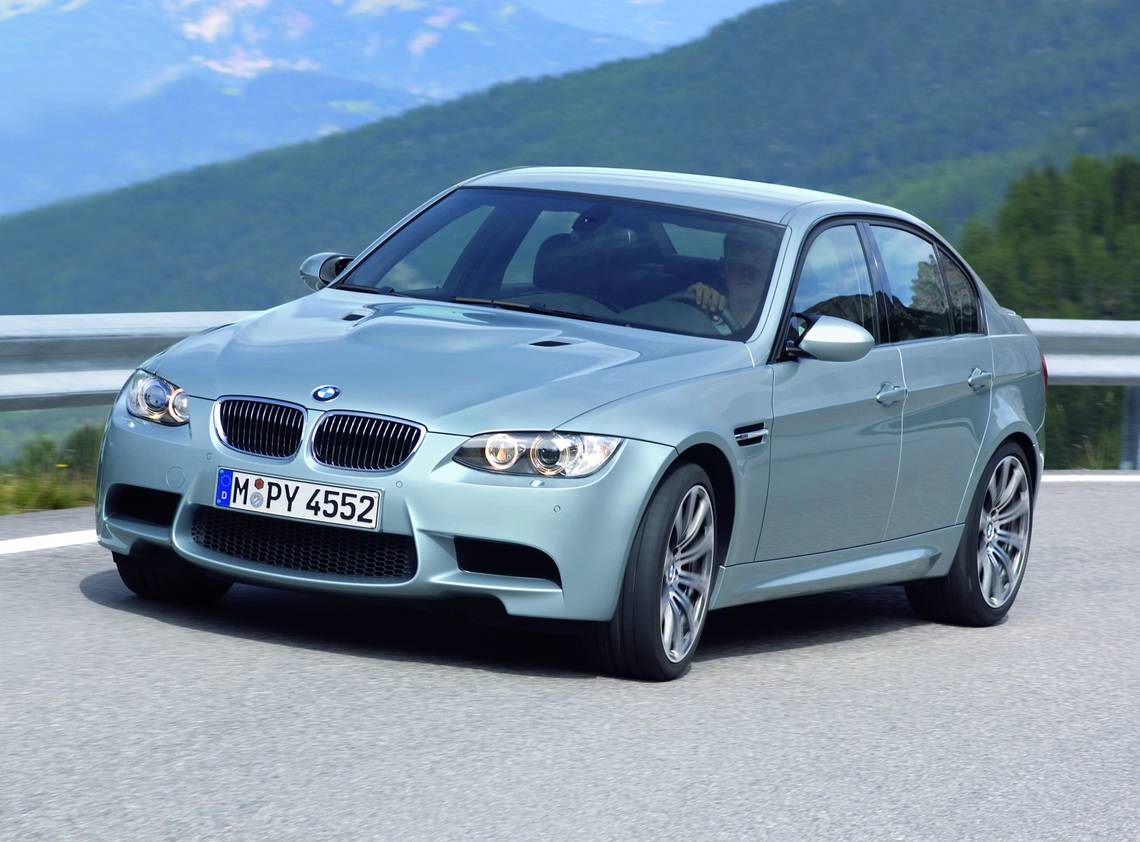
BMW raises the performance benchmark once again with the introduction of the 2008 M3 Sedan. Sharing the M3 Coupe's high-revving 414-horsepower V8 and balanced chassis that is designed to be "faster than its engine", the motorsports arm of the German auto maker, BMW M GmbH, is pleased to offer the most powerful, highest-performing M3 ever with four doors.
2008 BMW M3 Sedan


- Make: Array
- Model: 2008 BMW M3 Sedan
Originally offered in 1986 as a homologation special to allow BMW's entry into the German Touring Car Championship, the M3's popularity and steadily increasing sales for each iteration motivated the company to continue developing this unique combination of driving dynamics, comfort and luxury in a compact machine and offer a new version each time the underlying 3 Series was reborn.

Americans were first introduced to the M3 sports sedan concept in 1988. The first M3 produced 192 hp from its 2.3-liter four-cylinder engine during its 1988-1991 model year run. A legend was born and Americans embraced the high-rpm, naturally-aspirated M concept. The next generation arrived in 1995 with a 3.0-liter (and later, 3.2-liter) 240-hp inline-six powerplant. In 1997 the first M3 Sedan joined the family and the first M3 Convertible followed shortly thereafter. The most-recent version, available as either a coupe or convertible from 2001-2006, again was offered with six-cylinder power, this time providing 333 hp from its 3.2 liters. This vehicle was BMW's first use of SMG (Sequential Manual Gearbox) for the US market.
The all-new 2008 M3 Sedan and M3 Coupe that arrived in spring 2008 will feature the first V8 in a series-production BMW M3. It will also feature driver-adjustable settings for crucial dynamic controls including steering, damping and stability (and an available steering-wheel-mounted "MDrive" button to store the preferences) and a sumptuous interior that can be optimized to a driver's desires including the comprehensive entertainment/navigation system operated through BMW's latest iDrive controller.

Lightweight, efficient V8 at the heart of the BMW M3
The move to eight cylinders in the fourth generation BMW M3 provides a powerplant offering the seemingly disparate characteristics of more power, increased efficiency and reduced weight when compared with the previous six-cylinder M3 engine. Displacing 3,999 cubic centimeters (4.0 liters), the new light-alloy engine produces 414 hp at 8,300 rpm and 295 pound-feet of torque at 3,900 rpm with 85 percent of the maximum torque available consistently through 6,500 rpm. This power output represents a 15-percent increase over the six-cylinder from the last generation M3 and it comes with an eight-percent fuel-economy improvement when compared to its predecessor. Compression ratio is dialed in to 12.0:1 and redline is set at 8,400 rpm.
The V8-power unit within the engine compartment of the new BMW M3 Sedan boasts the company's variable double-VANOS camshaft management. Offering extremely fast and responsive valve timing, this technology reduces charge cycle losses and improves the output, torque and response of the engine, with a positive influence on fuel economy and emission management.
A separate throttle butterfly for each cylinder - eight in this instance - is a feature adapted from BMW M's racing heritage and provides immediate reaction to the gas pedal at all times. Two stepper motors operate the four throttle butterflies on each row of cylinders, giving the engine a particularly sensitive response at low speeds together with an immediate reaction whenever the driver presses down the accelerator for extra power and performance.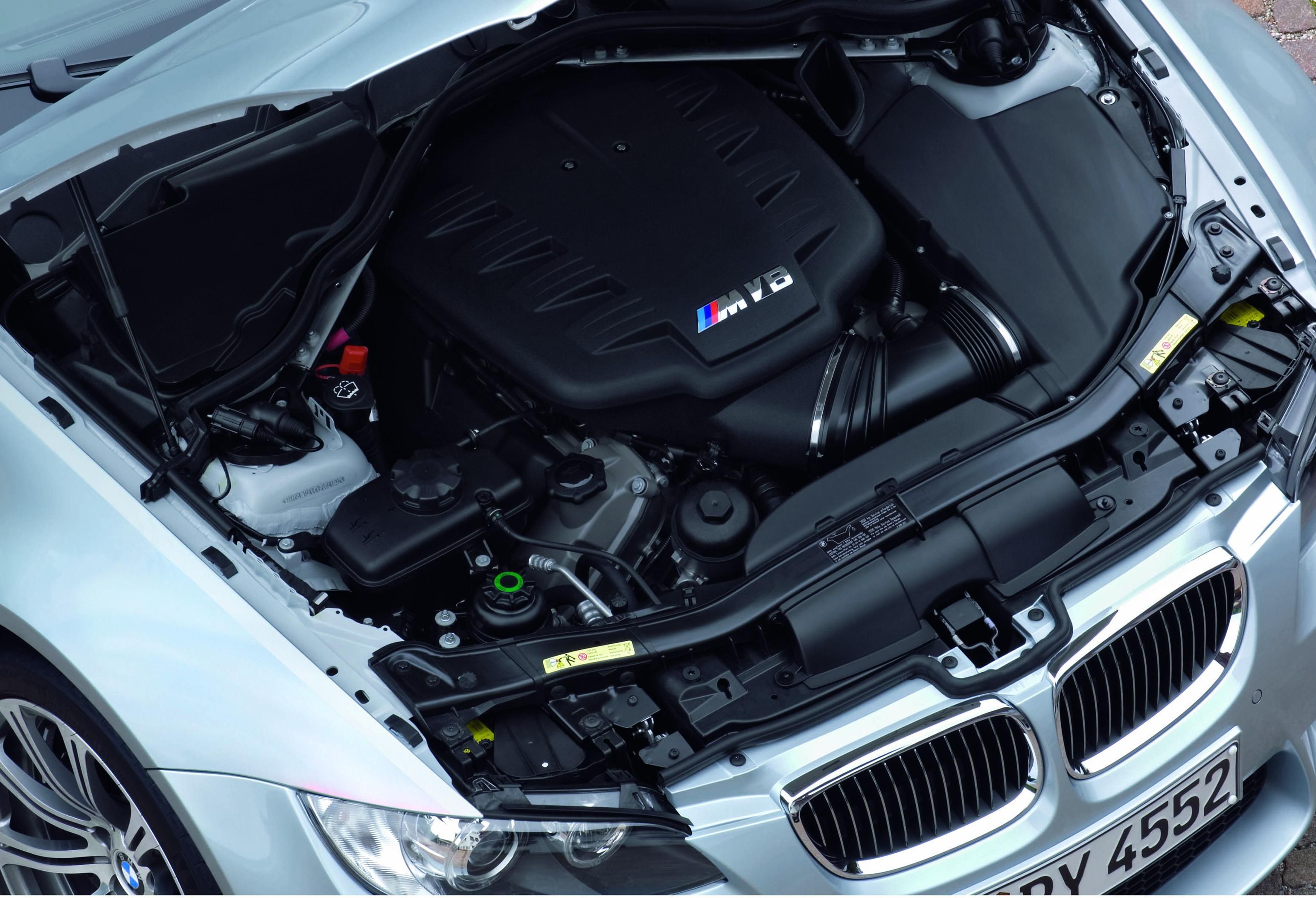 A volume flow-controlled, pendulum-slide cell pump supplies the engine with lubricating oil, delivering the quantity required by the engine. Wet sump oil lubrication, optimized for dynamic performance, ensures consistent oil supply to the high-rpm engine at all times, particularly in extreme braking maneuvers. The system features two oil sumps-a small oil sump in front of the front axle subframe and a large oil sump behind it.
A new, comprehensive electronic management system coordinates all engine functions with optimum efficiency and maximizes operational integration with the clutch, gearbox, steering and brakes. In addition, the engine control unit performs a wide range of on-board diagnosis functions and masterminds the ancillary engine units.
A highlight of the engine management system is the use of ion-current technology to determine engine knock as well as misfire and poor combustion events within the cylinders. Contrary to conventional methods, this monitoring and control function is performed precisely where the phenomena occurs-within the combustion chambers. The spark plug in each cylinder senses and controls the risk of knocking, at the same time monitoring the correct ignition and recognizing any misfiring. In other words, the spark plug acts as an actuator for the ignition and as a sensor monitoring the combustion process, and is therefore able to distinguish between a misfire and poor combustion. This dual function of the spark plugs facilitates the diagnostic procedures required in service and maintenance.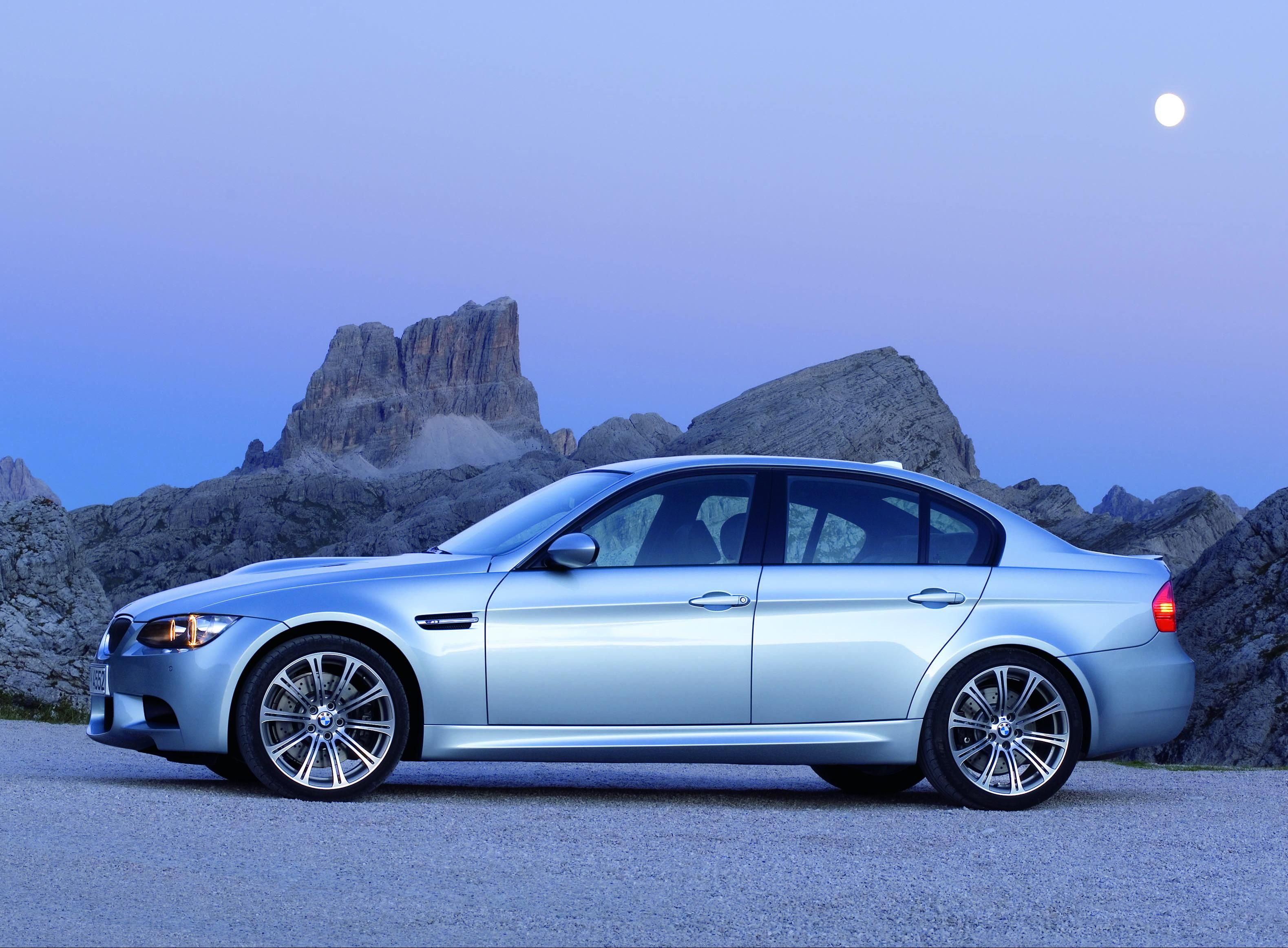 And the increased performance with better economy comes from the lightweight engine. At 445 pounds, it is seven percent or 33 pounds lighter than the previous model's Inline-6.
Lightweight components do not stop with the alloy engine block. The crankcase is made of a special aluminum-silicon alloy eliminating the need for cylinder liners. Despite the need to resist high combustion pressures and engine speeds-this is the "fastest" production engine ever produced by BMW as it can reach 8,400 rpm-the engineers managed to keep the compact and rigid crankshaft weight down to 44 pounds.
Manual transmission, twin-disc clutch and Variable M Differential Lock
Power from the BMW M3 Sedan's V8 is transmitted to the rear wheels through a close-ratio six-speed manual gearbox. The performance parameters of the M3 dictated heat management as a key design factor for both the transmission and clutch. The transmission features integrated temperature-dependent oil cooling management, while internal ventilation maximizes heat dissipation for the twin-disc clutch.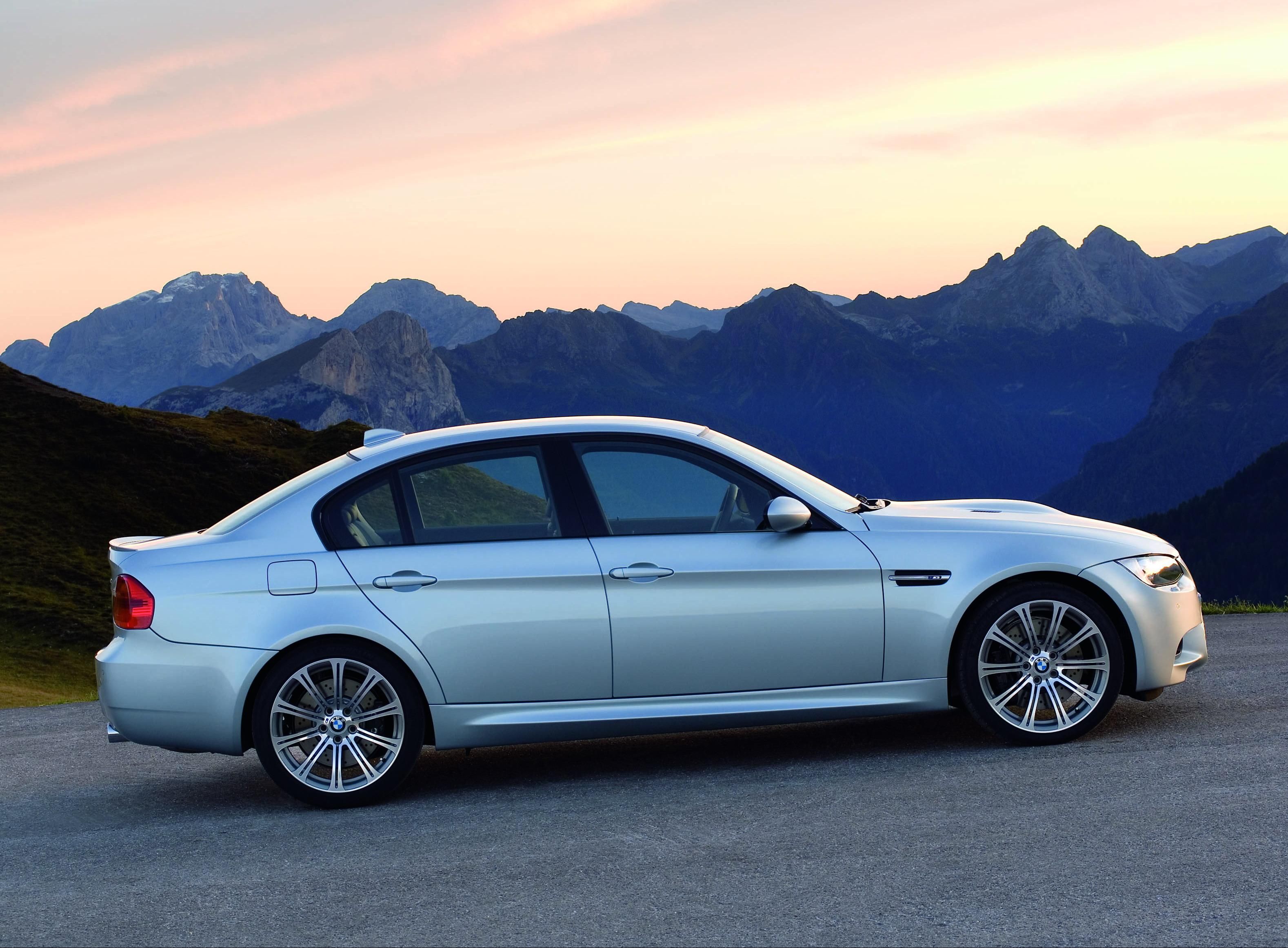 The new final drive comes with a Variable M Differential Lock generating up to 100 percent locking action with fully variable action whenever required, ensuring optimum traction on all road surfaces.
Engineering a chassis which is "faster than the engine"
Providing sure-footed responsive handling for a high-performance, powerful and luxurious sedan, while keeping mass under control, presented numerous challenges for the BMW M3's engineers. The result is a new, aluminum chassis developed specifically for this model. The design begins with placing components in such a way as to create a 50/50 front/rear weight balance.
Virtually all of the front-end components are aluminum, including the front struts, swivel bearings, central subframe and an additional thrust panel below the engine serving to maximize lateral stiffness of the entire front section.
From the rear axle subframe through the transverse arms and track arms, on to the wheel mounts re-configured in their kinematics and stiffness and even the mounting points for the longitudinal arms are now even lighter, all the way to the aluminum dampers. Virtually every detail on the five-arm rear axle made of aluminum is new for this model. These weight-reduction measures and materials help reduce weight by approximately 5.5 pounds when compared to the previous M3.
Both the front and rear axles feature hollow anti-roll bars optimized for their function and weight. Incorporating two additional longitudinal reinforcement bars, axle kinematics are perfectly tailored to the overall character of the car. The result, in terms of both stability and weight, conforms to the balanced performance concept of the BMW M3 Sedan. Compound brake system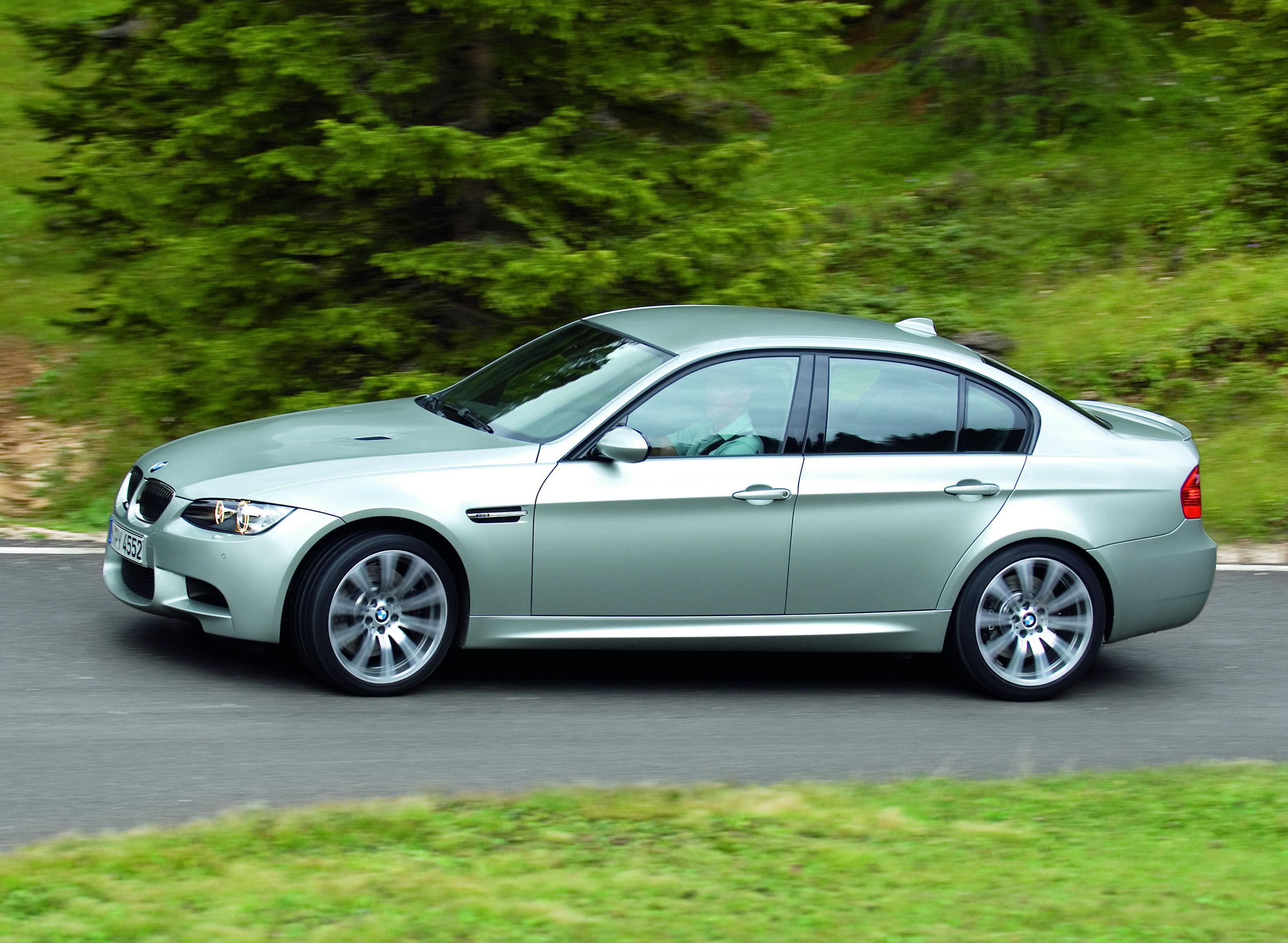 A suitably stout braking system for a car with this much performance was specifically developed for the new M3. Featuring large compound disc brakes and electronic anti-lock, stopping power for the new BMW M3 is strong, precise and consistent. The internally-vented, cross-drilled cast iron discs measure14.2 inches in diameter at the front and 13.8 inches in the rear. They are connected to a floating aluminum hub by cast-in stainless-steel pins. This configuration reduces the thermal loads on the discs, thus increasing their performance and service life. An electrically-driven pump provides the system's vacuum power.
Service - and safety - is enhanced thanks to an ongoing wear indicator which, through a dash display, allows the driver to monitor the condition of the brake linings. Brake service can thus be administered when necessary without guesswork.
Standard M-style light-alloy spoked wheels measure 18 x 8.5 inches with 245/40 low-profile tires at the front and 18 x 9.5 with 265/40 tires at the rear, can be supplemented by optional 19-inch versions in comparable widths and design.
Servotronic steering with two manually adjustable control maps
Rear-wheel drive keeps the rack-and-pinion steering of the BMW M3 Sedan free of drive forces. A further enhancement is hydraulic Servotronic power assistance controlling steering forces as a function of road speed. There is also a choice of two different control maps activated through normal and sport modes with a console-mounted button.
In Sport mode the BMW M3 provides direct and immediate response with a relatively high steering effort. In the Normal mode, power assistance is comfort-oriented and requires less steering effort.
Latest-generation of Dynamic Stability Control
The electronic Dynamic Stability Control (DSC) monitors driving conditions and intervenes through the application of brakes and reduced engine power to stabilize the BMW M3 and help avoid major over- or under-steer situations.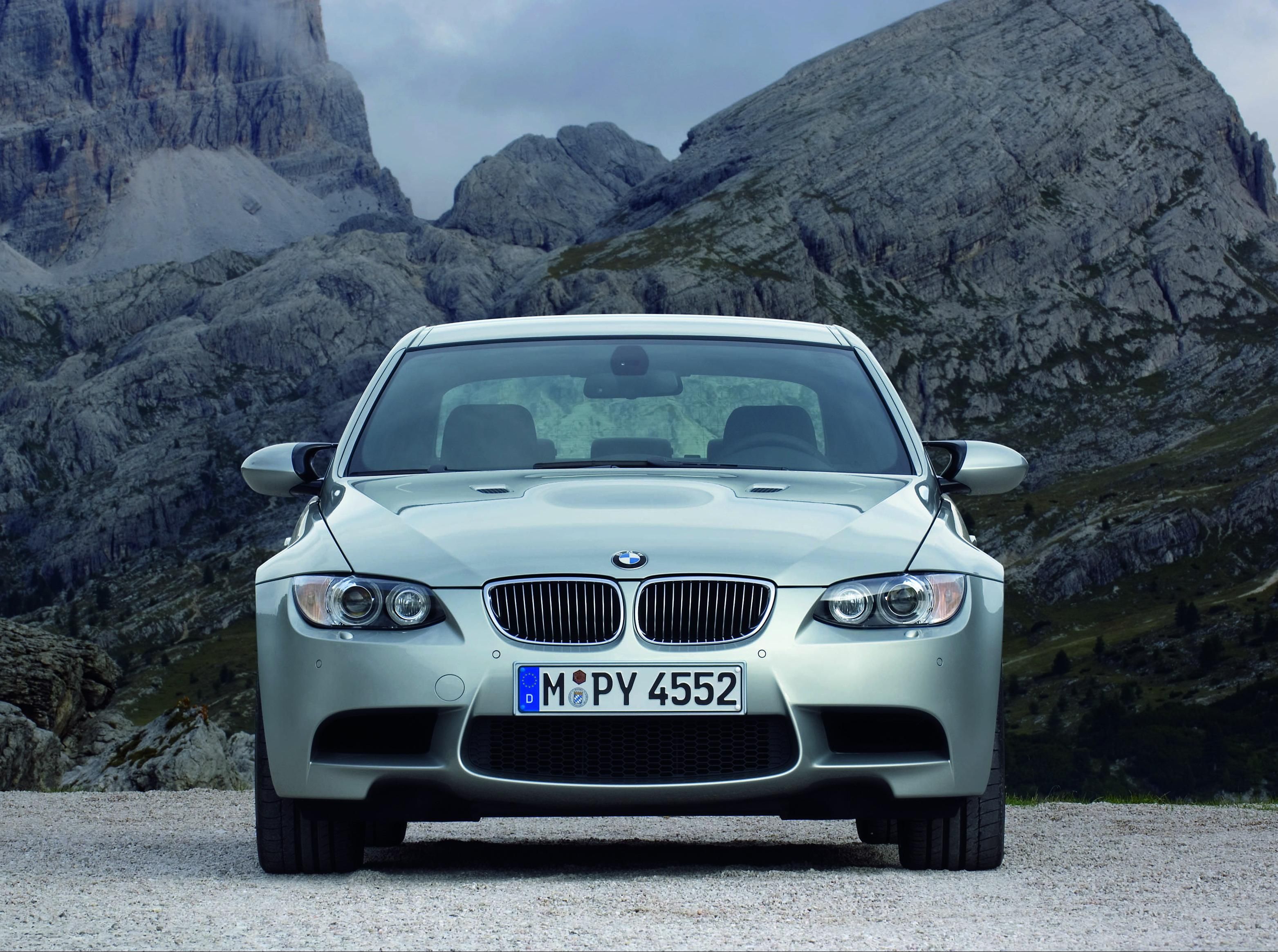 In addition to engine controls and the ABS, other systems integrated in the DSC are Automatic Stability Control (ASC), which prevents the wheels from spinning on surfaces with reduced traction; the Start-Off Assistant, which prevents the car from rolling back when setting off on a grade, as well as Cornering Brake Control (CBC), which prevents the car from spinning or swerving out of control when applying the brakes in a bend.
The latest version of DSC includes additional functions for even greater driving safety. Whenever the driver is likely to apply the brakes in full within the next few seconds, the system builds up pressure in the hydraulic brake circuit and pre-loads the brake pads to ensure an immediate response. The Dry Braking feature removes water film from the discs in wet conditions, thus reducing the chance of water interfering with the braking process.
Electronic Damper Control recognizing the driver's style of motoring
The optional Electronic Damper Control (EDC) allows the driver to tailor the vehicle's chassis dynamics to his or her preference through one of three modes: Sport, Normal and Comfort. The response of all dynamic driving systems is carefully tailored to the power and performance of the new BMW M3, with electronic intervention of the various systems naturally taking the dynamics of the car into account. Indeed, the driver even has the option to individually configure specific parameters, thus adjusting the response of the car to his personal preferences.
MDrive personalizes the driving characteristics of the new BMW M3
The new M3 provides several standard and optional driver-controlled systems to tailor the driving characteristics to a driver's personal preferences. The driver can choose, with conveniently located buttons:

- DSC on or off (for a very competent, performance-oriented driver)
- EDC in Sport, Normal or Comfort modes
- Servotronic in Sport or Comfort modes
- Throttle response either direct/sporting or comfort oriented
A push of the MDrive button on the steering wheel can instantaneously activate the above driver-selectable configurations, turning the new BMW M3 into his or her personalized Ultimate Driving Machine. The settings are stored through menus shown on the dash-mounted screen and controlled by the iDrive (located in the center console). Storing one's overall preferences under the MDrive allows the driver to modify any of the adjustable settings, yet return to his or her optimum with a simple press of the MDrive button. This feature requires the Navigation/iDrive option.
Athletic, sporting stance separates new BMW M3 Sedan from the pack
Front to back, the design of the new BMW M3 Sedan evokes a purposeful, sporting message. The front end, though clearly a BMW based on the double-kidney shaped grill, flat headlight units with standard Xenon headlamps, boasts three large air intakes below the grill. Since the structure and configuration is determined to primarily feed air into the engine compartment, the BMW M3 Sedan, like BMW M cars in general, intentionally forgoes fog lamps featured on 3 Series models.
The "face" of the new BMW M3 also includes a power dome in the middle of the aluminum hood which, though longer than that of the 3 Series Sedan, blends harmoniously with the overall design.
The two front side panels boast a special sign of distinction characteristic of a BMW M Car and referred to by the designers as "gills," which incorporate the tri-color (blue/purple/red M3) logo. Rear-view mirrors developed for the new BMW M3 fulfill an important aerodynamic function helping reduce air resistance. Further down the side-line, the pronounced side-sills, give the BMW M3 a light and sporting look.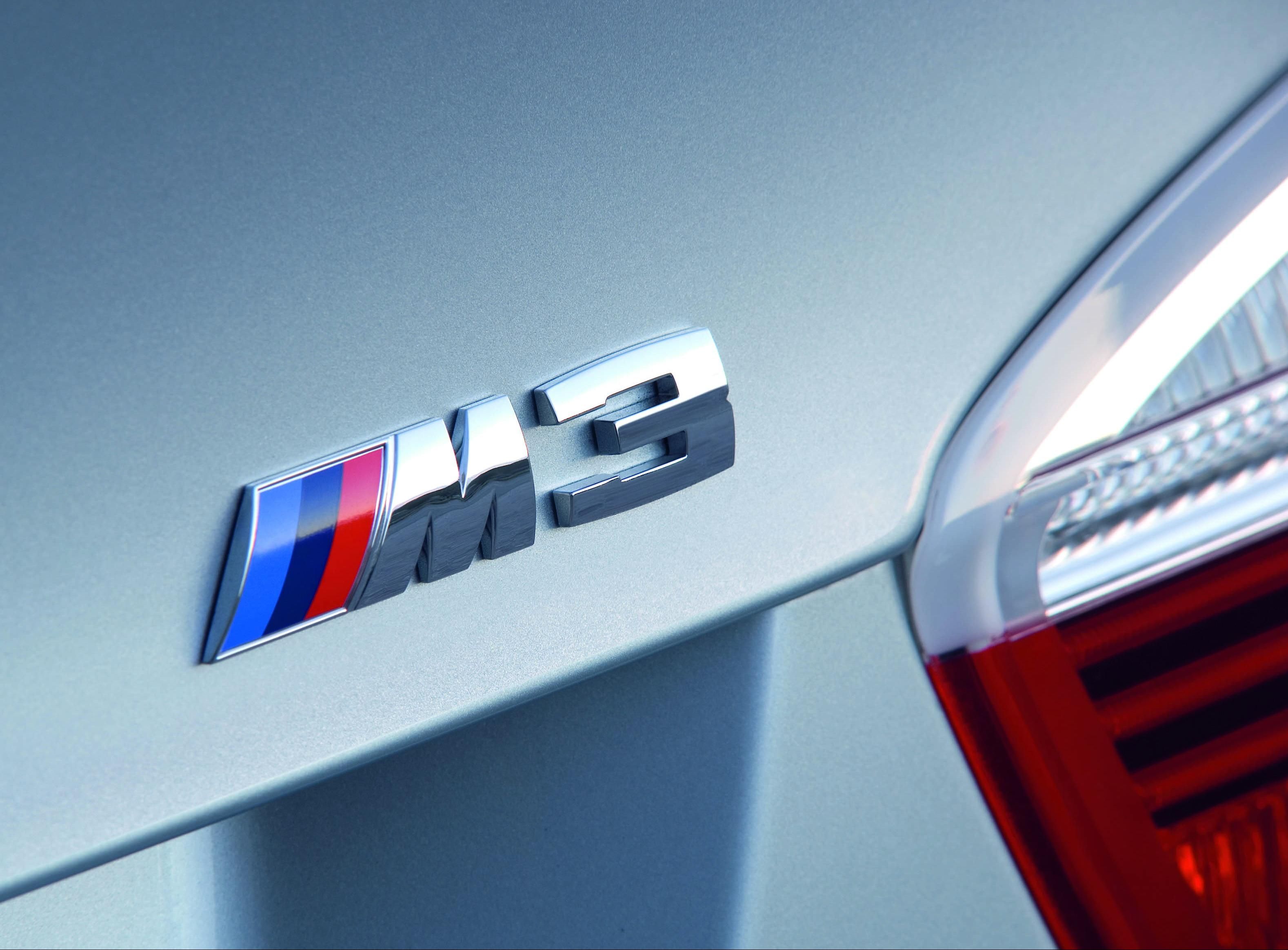 The new BMW M3 Sedan looks muscular from behind, its design taking up the particular look of the car's front end. A discreet lip spoiler on the trunklid optimizes the car's streamlining and reduces lift on the rear axle. In its contours, the split diffuser beneath the rear bumper takes up the shape of the air intakes at the front of the car as the air guide and the dual tailpipes move towards the centerline of the car, visually contracting the rear end at the lower center point. A further feature is the circular shape of the four straight tailpipes in typical BMW M style.
The four metallic paints reserved for BMW M cars (Melbourne Red, Jerez Black, Interlagos Blue and Silverstone) highlight the body, contours and proportions of the four-door with particular intensity. In addition to these unique hues, the BMW M3 is available in Alpine White, Jet Black, or Sparkling Graphite Metallic.
Interior design oriented an active driving experience with luxury
The interior of the BMW M3 has always been a place designed for performance driving, but without compromising the comfort of the driver and the passengers. The new BMW M3 Sedan continues this tradition with the latest innovations. The five seats are surrounded by powerful contours and flowing lines highlighting in particular the concave and convex surfaces. The horizontal lines dominating the area around the dashboard as well as the harmonious surfaces of the side linings give the interior a dynamic note.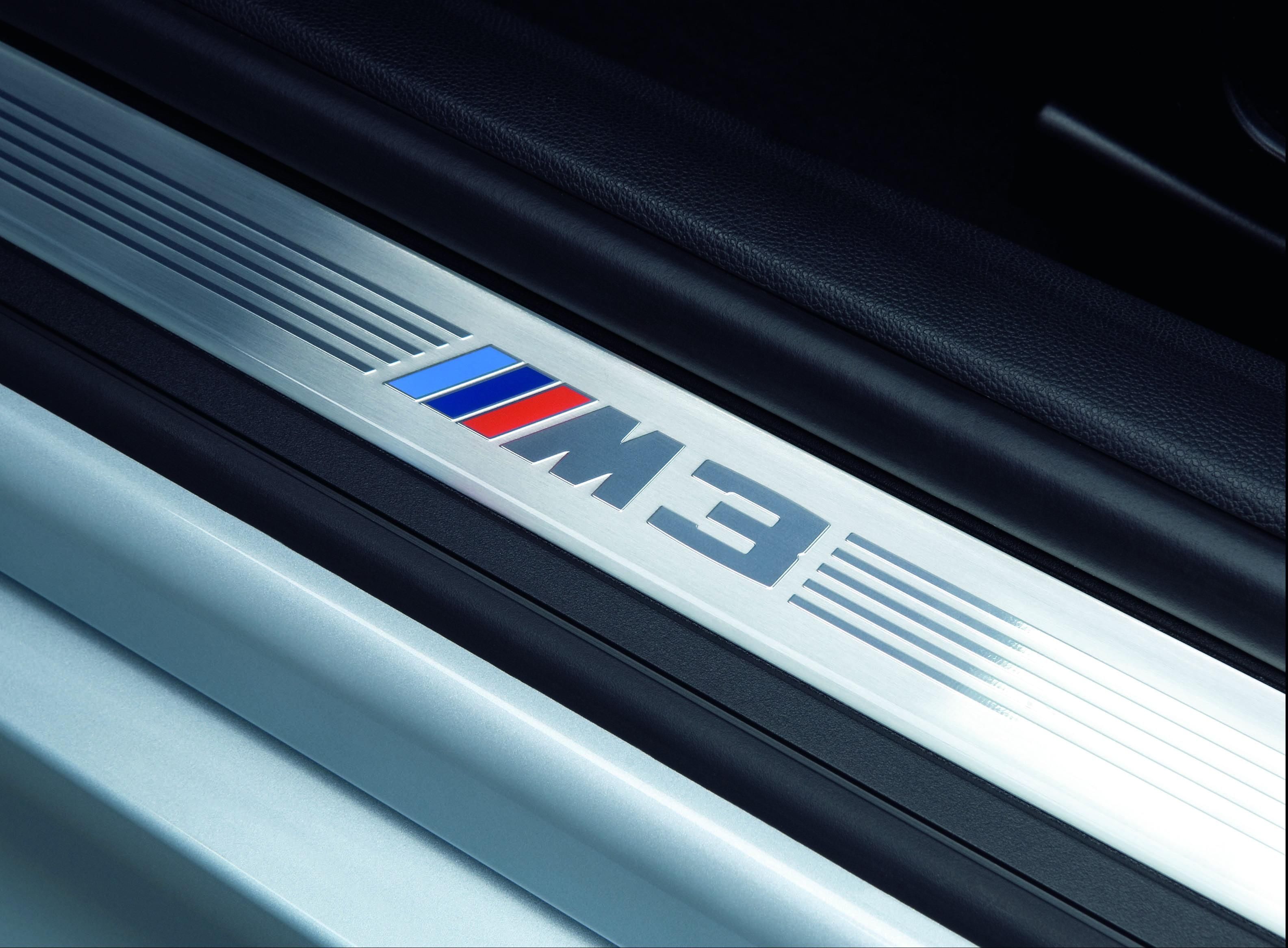 The cockpit control area tapers out between the front seats into a newly designed center console which discreetly "swings" towards the driver. Finished in black leather, the console harmoniously continues the instrument surrounds and the control area in terms of both color and shape, comprising three function switches (Power, DSC, and optional EDC) for activating and deactivating the electronic driving programs on the side facing the driver.
Apart from the clear design and optimum ergonomic arrangement of all controls and instruments, the choice of colors inside the new BMW M3 Sedan helps the driver concentrate on driving. Regardless of the upholstery and trim color, the footwells, parcel shelf, headliner, A-pillar trim and the upper part of the instrument panel are all finished in Anthracite. This uniform, dark color scheme around the windshield helps the driver focus on driving.
There is no question as to the heritage of the vehicle upon opening the door of the new BMW M3 thanks to the M car logo in the door sills. The unique nature of the vehicle carries to the dash where the dual circular instruments typical of BMW - the speedometer and fuel gauge as well as the tachometer and oil temperature display - are in specific M style. A feature typical of BMW M cars is the variable warning zone on the tachometer that informs the driver of the recommended engine speed depending on the engine oil temperature. The borderline between the yellow pre-warning zone and the red warning zone moves up as a function of increasing oil temperature to the maximum limit of 8,400 rpm. The digital displays presenting the time, the outside temperature and odometer, as well as the various warning lights, are positioned between the two circular instruments.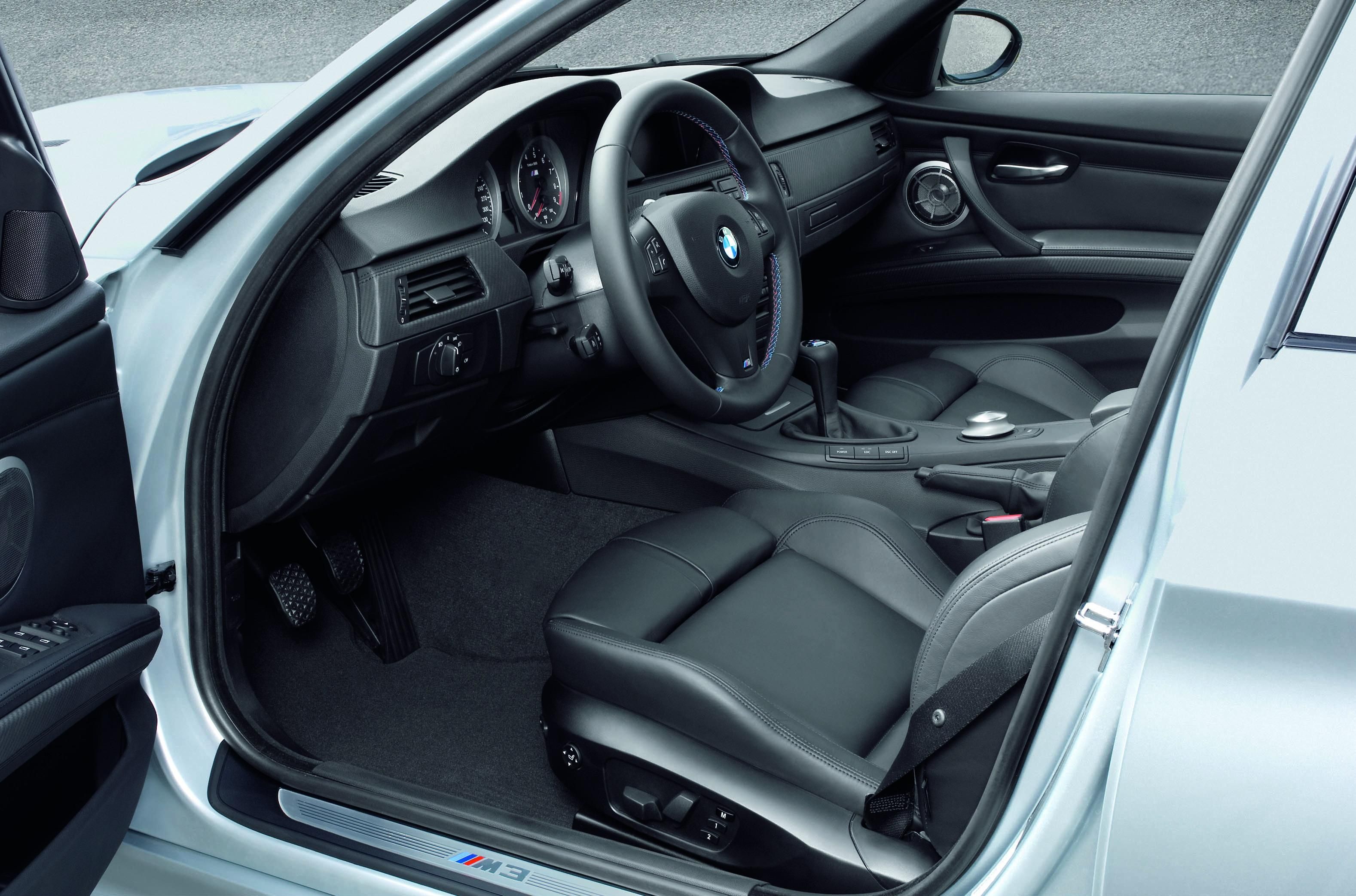 The M3's leather steering wheel, with its thumb contours resting firmly in the driver's hands, provides an optimum grip for precise movement of the steering wheel. The spokes within the steering wheel incorporate the remote control buttons for the audio system and mobile phone, as well as the optional MDrive button. An additional auxiliary button may be programmed through the optional BMW iDrive system.
As an option, both the front seats are available with backrest-width adjustment, while the rear seats may be equipped with folding seatbacks which provides the 15.8 cubic foot luggage compartment even greater capacity.
A premium AM/FM/single-disc CD audio system comes standard with an auxiliary input jack. Individual entertainment options include SIRIUS satellite radio, HD radio and a USB-enabled port for control of an Apple iPod or iPhone media player. These three options can be bundled together in the Technology Package, should one choose to have them all together.
For vehicles equipped with Navigation, the comprehensive information and entertainment systems are controlled by the refined BMW iDrive. Selecting the Navigation/iDrive option also brings the performance-oriented, steering-wheel-spoke-mounted Mdrive button.
Safety begins with the body structure and continues inside
Occupant safety begins with the design of the new BMW M3's body structure. Together with defined deformation zones, the use of high-strength steel ensures smooth and direct transmission of forces in a collision and optimum absorption of loads acting on the car. The space available for deformation is also used to avoid any damage to the passenger cell and keep damage to the body itself to a minimum, even in a severe collision.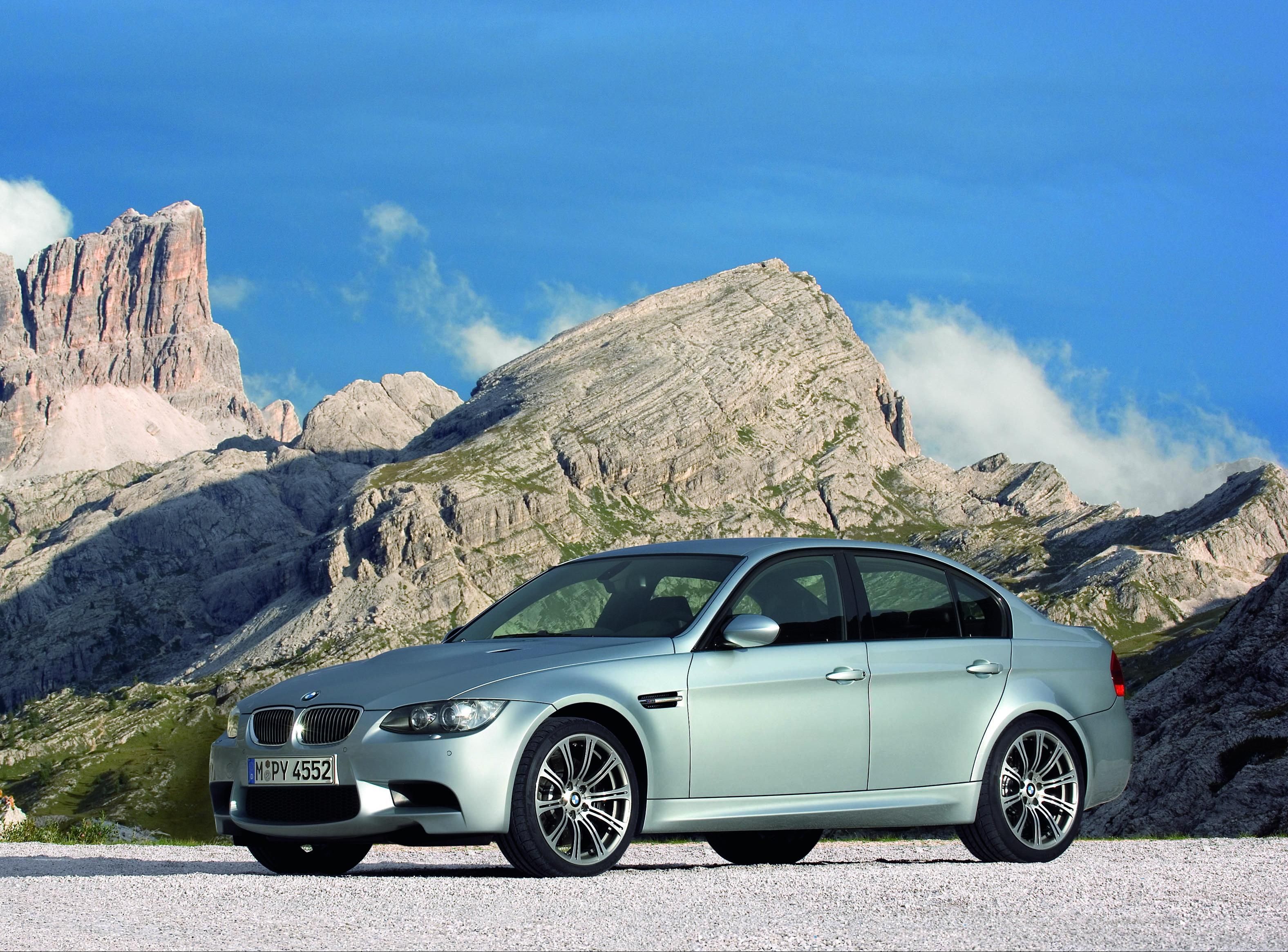 The electronic restraint systems are tailored to the ultra-strong structure of the body. Six airbags as well as the belt latch tensioners and belt force limiters are activated by the car's central safety electronics as a function of the type and severity of a collision. Sensors located in the center of the car within the B-pillars and in the doors "tell" the safety electronics which component will offer the occupants optimum protection, with the "proper" restraint systems being activated in the event of a collision.
The driver and front passenger are protected by frontal and side airbags housed in the seat backrests. These four airbags are activated in two stages, depending on the severity of the impact. Through its size alone, the curtain head airbag protects the car's occupants on both the front and the outer rear seats. And the risk of leg injury in a head-on collision, finally, is reduced on the driver's side by defined deformation of the footrest.
BMW Ultimate ServiceTM: Providing owners with incredible value and peace of mind
The BMW 1 Series Convertible will feature BMW Ultimate ServiceTM, a suite of services that includes the BMW Maintenance Program (formerly called Full Maintenance), Roadside Assistance and the New Vehicle Limited Warranty. BMW AssistTM with TeleService is part of the optional Premium Package or can be ordered separately as a stand-along option.
BMW Ultimate ServiceTM includes:
The BMW Maintenance Program is the only no-cost maintenance program in the industry that covers wear and tear items like brake pads and rotors for four years or 50,000 miles, whichever comes first. BMW owners pay nothing for all scheduled inspections, oil changes, brake pads, wiper blade inserts and other wear-and-tear items.
BMW Roadside Assistance is one of the industry's most comprehensive plans available. Not only is it no-charge for the first four years, but there is no mileage limit. BMW drivers enjoy the assurance of on-the-road help 24 hours a day, seven days a week, anywhere in the United States, Canada and Puerto Rico. This includes everything from flat tire changes, emergency gasoline and lock-out assistance, to towing, alternative transportation and even trip-interruption benefits. This service also includes valuable trip routing advice.BMW New Vehicle Limited Warranty: All 2008 BMW passenger vehicles are covered by BMW's excellent Limited Warranty, which includes:
- New-vehicle warranty - four-year/50,000-mile coverage of the vehicle.
- Rust-perforation warranty - 12-year/unlimited-mileage coverage.
BMW AssistTM provides the driver with services that enhance on-the-road security and convenience, for added peace of mind. It is a part of the optional Premium package and can also be ordered separately as a stand-alone option. BMW is the only vehicle manufacturer that offers this service for four years at no additional cost. Most other manufacturers cover only the first year of service.
The in-vehicle equipment for BMW AssistTM includes GPS technology and hands-free communication functions accessed via buttons in the overhead or center console. Vehicle occupants may request emergency or other services simply by pressing a button; the BMW AssistTM system then transmits the location and vehicle information to the BMW AssistTM response center. A response specialist will then speak with the occupants to coordinate dispatch, notify emergency contacts on file, and link BMW Roadside Assistance or emergency services as needed and requested. A severe accident automatically activates the BMW AssistTM call as well. The BMW AssistTM Safety Plan also includes Remote Door Unlock and Stolen Vehicle Recovery services, which can save the owner time and money.
TeleService automatically notifies the BMW center when a vehicle will need service. This feature allows the Service Advisor to proactively set up a customer appointment and have the needed parts ready.
BMW AssistTM subscribers can also enroll in the BMW AssistTM Convenience Plan (available at an additional cost of $199 per year) to avail themselves to many BMW AssistTM Concierge services, from travel planning to dining reservations, shopping assistance and event tickets, as well as receive directions, and traffic and weather information. A selected destination and its phone number can be sent directly to the on-board navigation system and Bluetooth®-linked mobile phone, after a push of the new Concierge button. The Convenience Plan also includes Critical Calling, a new service that connects the driver in case their mobile phone is not in the vehicle or its battery is discharged. After pushing the SOS button, a BMW AssistTM response specialist will link the driver to his requested party for up to five minutes and for up to four events per year.
As before, the BMW AssistTM system includes Bluetooth® hands-free phone connectivity with hands-free phonebook access and dialing by name or number via the steering wheel controls. Use of this feature requires a customer-provided compatible Bluetooth® mobile phone.

Performance with a conscience
BMW strives to produce its motor vehicles and other products with the utmost attention to environmental compatibility and protection. Integrated into the design and development of BMW automobiles are such criteria as resource efficiency and emission control in production; environmentally responsible selection of materials; recyclability during production and within the vehicle; elimination of CFCs and hazardous materials in production; and continuing research into environmentally friendly automotive power sources. Tangible results of these efforts include the recycling of bumper cladding into other vehicle components; water-based paint color coats and powder clear coats; near-future availability of hydrogen-powered models; and various design and engineering elements that help make BMWs easier to dismantle at the end of their service life.