
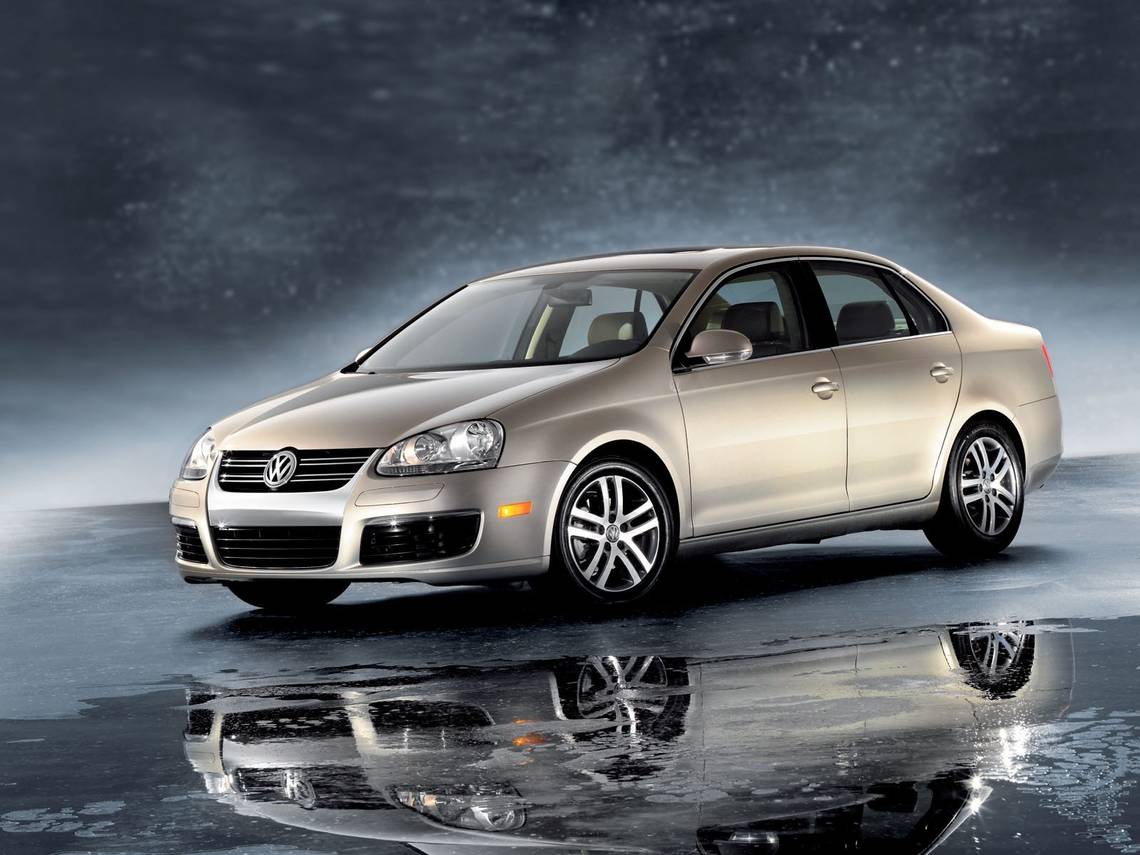
The 2006 Jetta is fresh off its complete redesign launched in March 2005. For 2006 the Jetta lineup now includes an all-new GLI concept as well as a sophisticated TDI® diesel option and a 200 horsepower optional engine choice.
volkswagen-jetta
- Make: Array
- Model: volkswagen-jetta
2008 Chevrolet Malibu


- Make: Array
- Model: 2008 Chevrolet Malibu
- Engine/Motor: 2.5liter Inline 5
- Horsepower: 200@5500
- Torque: 3750
- Transmission: 6 speed semi-automatic
- [do not use] Vehicle Model: Array
A few facts on the success of the Jetta in the USA: Between New York and Los Angeles, the practical saloon has attracted over 2.2 million buyers since its launch in 1980. The Jetta therefore accounts for a volume share of around 40 percent within the brand. No other vehicle from a European carmaker is as popular among US citizens as this Volkswagen.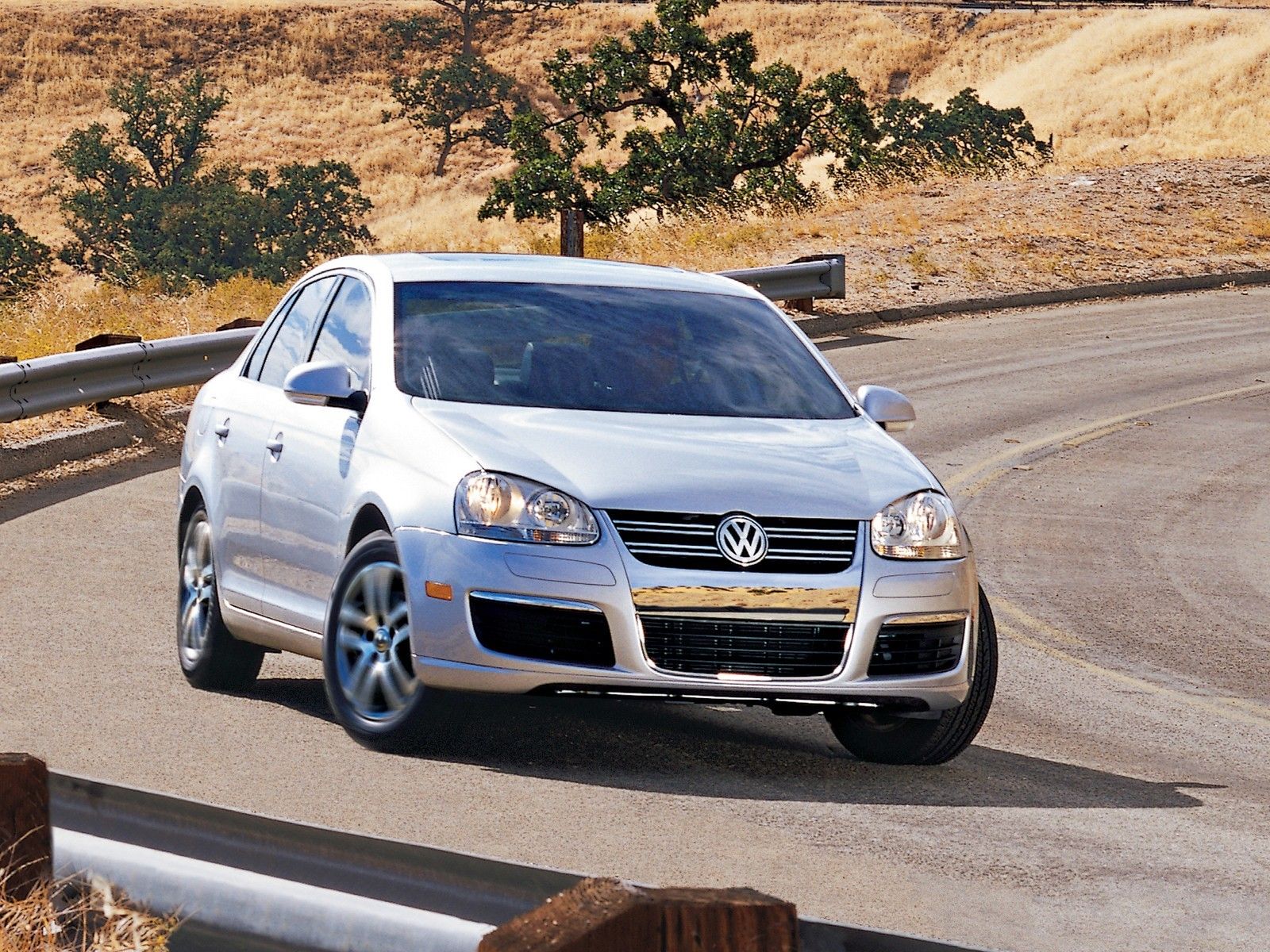 In the old world too, the Jetta can now look back on 26 years of success. Including the Vento (1991 to 1998) and the Bora (1998 to 2005), over 6.6 million models from this series have rolled off the production line. Alongside Germany and the UK, Turkey is, for example, a very strong Jetta market. The Volkswagen has generally recorded successes in the whole European region and the Asian economic zone.
Mainly because of the Jetta's domination of the North American market, the new generation will now be built at Volkswagen's
Mexican plant in Puebla. Thanks to its high quality standards, Puebla is one of the group’s leading production sites. A daily Jetta production of up to 850 is planned in Mexico. The first Jettas from the new generation destined for Europe left Mexico on 19 July.
Engine Performance
The 2006 Jetta 2.0T features one of the newest and most advanced Volkswagen engines. The all-new 2.0-liter turbocharged inline four-cylinder engine puts out 200 hp between 5,500-6,000 revolutions per minute, and maximum torque of 207 lbs.-ft. from 1,800-4,700 rpm.

Mated to a six-speed manual transmission as standard equipment, the 2006 Jetta 2.0T is a wolf in sheep's clothing as 0-to-60 miles per hour comes in just under seven seconds, with a top speed electronically limited to 130 mph. Equally as impressive as its performance on the street, the 2006 Jetta 2.0T achieves an EPA-rated fuel economy of up to 32 mpg on the highway and up to 25 mpg in city driving.
2.5 and Value Edition
The 2006 Jetta 2.0T presents a well-appointed sedan for drivers seeking sport-performance. For drivers wanting value-performance, the Jetta 2.5 and Jetta Value Edition are both equipped with a new engine from Volkswagen. This new 2.5-liter, five-cylinder engine is economical and far from anemic, putting out 150 hp at 5,000 rpm and 170 lbs.-ft. of torque at 3,750 rpm.
Transmission

The 2006 Jetta 2.5 and Jetta Value Edition come standard with a five-speed manual transmission. The new Volkswagen six-speed automatic transmission with Tiptronic® is available as an option. In either set-up, 0-60 mph comes in 9.0 seconds and the EPA fuel mileage rating is 30 mpg on the highway and 22 mpg in the city.
-----
Design
The most striking design feature on the new Jetta is the front end with its chrome-framed radiator grille. On the fifth generation of the model, this face supports the claim that this car is significantly more independent, sportier and elegant. The V-shaped radiator grille stylishly indicates the relationship to the new Passat and Golf GTI, which were the first two production models to feature the new "VW Face". As a result, the front section features sharper lines making it more dynamic and also more elegant than before.
The rear is also striking: It also follows the style of the current VW design line and features the very fast responding LED lights that are now typical for Volkswagen. At the same time, the side view enhances the athletic appearance of the four-door. The flat rear windscreen and comparatively short boot lid give the silhouette a coupé-like shape.

Compared with its predecessor the Bora, the new Jetta has grown in all directions. As a result, there is considerably more space for rear passengers in particular. The body, which is 15 percent more torsionally stiff, has been stretched 17.8 centimetres to 4.55 metres.
The five-seater saloon is 1.46 metres tall (+ 1.3 cm) and has gained 4.6 centimetres of width (1.78 m). At the same time, the wheelbase is now 2.58 metres. This means it has grown 6.5 centimetres. The ample track width at the front and rear noticeably improves the driving dynamics of the new model.
Space
The passengers on board the Jetta benefit almost exclusively from the exterior growth: The effective legroom has increased 6.5 centimetres. At 143.7 centimetres, the interior width has gained an extra 3.5 centimetres. Adults can look forward to over 2.4 centimetres more headroom in the rear thanks, among other things, to a slightly lower seat position.

Drivers and front passengers have gained four centimetres of interior width. The front seat adjustment range has been increased 2.2 centimetres lengthways so that even real giants will be able to find a relaxing seat position. In total, the new Jetta has an interior length of 1.74 metres 5.4 centimetres more than the Bora.
Cockpit
The interior is characterised by a clear, fresh and stylish design. All controls have been designed to be self-explanatory. For example, the instruments: All function levels are clearly separated, all buttons and switches are intuitive. The controls for the air conditioning are located immediately above the centre tunnel, which stretches upwards above the gear lever. Above that is a row of buttons for functions like the heated rear window, recirculation and seat heating.

Next up is the radio or radio navigation system with a large central display. Right at the top is the hazard warning lights switch, air vents and another storage compartment (not with Climatronic). Specially designed interior trims give the more exclusive Comfortline ("Aluminium Microtec"; combined with the Pure Beige interior trim: “Microtec Anthracite”) and Sportline ("Brushed Aluminium") versions an individual touch. Volkswagen also offers optional walnut inlays for both trim lines, a three-spoke multifunction steering wheel with wooden annulus, leather handbrake lever grip and a wood/leather gear knob as well as highquality leather interiors.
-----
Engines
The new Jetta is about to be launched with four engines: two petrols and two diesels. The entry-level Jetta is a 1.6-litre petrol engine with 75 kW / 102 hp. The second petrol engine in the start phase is a 2.0-litre petrol direct injection engine (FSI) with a powerful 110 kW / 150 hp. Two further direct injection petrol engines will soon be available — the 1.6 FSI
delivering the usual 85 kW / 115 hp and the 2.0 T FSI, which first appeared in the Golf GTI, delivering 147 kW / 200 hp.
As for turbo diesels, Volkswagen is, of course only using direct injections. At launch, this will be the 1.9 TDI delivering 77 kW / 105 hp and the 2.0 TDI delivering 103 kW / 140 hp. Both engines will be available later on with a maintenance-free diesel particulate filter. In the coming year, a more powerful engine will be added to the top of the Jetta TDI range.

The Jetta 1.6 (75 kW) and Jetta 1.9 TDI (77 kW) engine versions transmit their power via five-speed gearboxes. All other engines are connected to six-speed gearboxes. From September, the six-speed double-clutch gearbox DSG will be available as an option for the Jetta 1.9 TDI and will also then be available later on for the sophisticated 2.0 TDI and the powerful turbo-charged 2.0 FSI. Volkswagen is also offering the comfort-oriented 1.6 and 2.0 FSI (110 kW / 150 hp) engines with the latest generation of six-speed automatic gearbox (Tiptronic).
Petrol Engine
1.6 delivering 75 kW / 102 hp: The both proven and economical entry-level engine for the new Jetta generation uses multi-point injection. This quiet-running four-cylinder delivers its maximum output of 75 kW / 102 hp at 5,600 rpm and produces 148 Newton metres of torque at 3,800 rpm. Reaching a top speed of 186 km/h, it makes the saloon capable of very agile driving performance. The Volkswagen accelerates from nought to 100 km/h in 12.2 seconds. The average consumption is limited to just 7.4 litres of Super unleaded every 100 kilometres. As an alternative to the standard five-speed manual gearbox, Volkswagen will offer a comfortoriented six-speed automatic (Tiptronic) for the Jetta 1.6 from the autumn.

1.6 FSI delivering 85 kW / 115 hp: The 1.6-litre direct injection is one of the most efficient petrol engines in this performance class. On average, it consumes a mere 6.9 litres of Super every 100 kilometres. The quiet four-valve four-cylinder accelerates the Jetta 1.6 FSI to 100 km/h in exactly 11.1 seconds and allows a top speed of 194
km/h. The maximum output comes at 6,000 rpm. The 155 Newton metre (at 4,000 rpm) FSI comes with a six-speed gearbox as standard.
2.0 FSI delivering 110 kW / 150 hp: The combination of direct petrol injection and 2.0 litres capacity gives the Jetta 2.0 FSI a maximum output of 110 kW — enough for a top speed of 211 km/h and an acceleration of nought to 100 km/h in 9.2 seconds. The consumption is surprisingly low considering the sporty performance. This engine together with the manual six-speed gearbox allow the elegant notchback to consume just 7.8 litres of fuel every 100 kilometres. The Jetta 2.0 FSI is also optionally available with a hightech six-speed automatic (Tiptronic).
2.0 FSI delivering 147 kW / 200 hp: Driven by the 2.0 FSI turbo engine, the new Jetta proves to be a real sports saloon. The powerful front-wheel drive car breaks the 100-km/h barrier in just 7.5 seconds and reaches a top speed of 235 km/h – without affecting fuel costs. The top of the range model is happy with an average consumption of 8.0 litres of Super Plus every 100 kilometres. The four-cylinder, as used in the Golf GTI, with a compression of 10.3:1 thus combines the advantages of a homogeneous direct injection with the powerful advantages of turbo charging. The result is outstanding torque development, excellent response and great driving fun — without a turbo lag. The Jetta 2.0 FSI with turbo charger supplies its power via a six-speed gearbox as standard. From autumn 2005, it will also be available with the double-clutch DSG.
Diesel Engine
Economical, high-torque and agile: The turbo diesel direct injection engines featuring the innovative unit injector technology also allow for impressive performance in the new Jetta. They provide an ideal synthesis of economic efficiency and ample power. Both engines already fulfil the EU4 emissions standard thanks to the internal engine measures alone. The TDI versions will also be offered with a maintenance-free diesel particulate filter later on. 1.9 TDI delivering 77kW / 105 hp: The Jetta 1.9 TDI provides sporty performance with a low average consumption. Its 1.9-litre unit injector turbo diesel delivers 77 kW at 4,000 rpm. The maximum torque is the main factor behind the powerful way this car pulls away: It peaks at a best value of 250 Newton metres at 1,900 rpm.

On the road, the saloon can reach a top speed of 189 km/h. It sprints to 100 km/h in 11.9 seconds. This model consumes just 5.2 litres of diesel every 100 kilometres, however. As in the 2.0 TDI, a diesel fast-start system allows immediate starting without a noticeable preheat time in all climate conditions.
As standard, Volkswagen combines the 1.9 TDI in the Jetta with a manual five-speed gearbox. In the autumn, an optional DSG will follow. This is the world’s first automatic that, thanks to its pioneering double clutch and coordinating Mechatronics, does not affect the low consumption of diesel engines.
2.0 TDI delivering 103 kW / 140 hp: The extremely economic Jetta 2.0 TDI performs well in all areas with its impressive power
reserves. This direct injection unit injector turbo diesel with fourvalve technology and two overhead camshafts delivers 103 kW / 140 hp at 4,000 rpm. Its torque development curve levels of at an impressive maximum 320 Newton metres between 1,750 and 2,500 rpm. The performance of this sports saloon is unbeatable across the board: The Jetta 2.0 TDI reaches a top speed of 207 km/h and accelerates from nought to 100 km/h in just 9.7 seconds. At the same time, it consumes just 5.5 litres of diesel per 100 kilometres. A manual six-speed gearbox transfers the engine power to the driven front wheels as standard. From autumn, this engine can also be combined with the extremely crisp DSG six-speed double-clutch gearbox.
Gearbox
Except for the Jetta 1.6 (75 kW) and the 1.9 TDI, all engine versions of the new saloon come with sporty six-speed manual gearboxes as standard. Furthermore Volkswagen will be introducing two high-tech automatic gearboxes before the end of 2005: The sporty doubleclutch gearbox (DSG) for both TDI versions and the 2.0 FSI Turbo as as well as an advanced six-speed automatic with convenient Tiptronic control in the Jetta 1.6 and 2.0 FSI.

Double-clutch gearbox (DSG): The DSG combines the ease of an automatic with the sporty and fuel-saving advantages of a manual
gearbox. It has six forward gears and shifts extremely fast without interrupting the traction. The DSG is the ideal gearbox for turbo diesel direct injections in particular. This is because the DSG is the first gearbox to maintain the full consumption advantages of diesel engines while allowing automatic gear shifts. Like the classic Tiptronic, this gearbox can also be used manually using a plus/minus gate.
Six-speed Tiptronic: The shifting programs for the front transversemounted six-speed automatic automatically adapt themselves to the current driving conditions therefore reacting, for example, to climbs and descents as well as trailer towing. The gearbox can also be operated manually using the Tiptronic function (+/-). The "S" sporty shifting program allows for even more agility.
-----
Chassis
2005. The dynamic safety chassis for the new Jetta provides a successful synthesis of outstanding sportiness and convincing comfort qualities. A strut front axle, which has been extensively optimised compared with the previous Bora model, along
with an all-new multi-link rear axle decisively improve handling, driving comfort and safety. Boarder track widths at the front and rear lower the centre of gravity of the agile notchback. This allows higher cornering speeds and a more precise driving feel. The advanced electromechanical power steering provides assistance related to the speed, stabilises straight running and reduces the average consumption of the new Jetta by up to 0.2 litres.

Front axle
Even more agile, precise and comfortable than before The strut front axle with lower wishbone from the Bora has been extensively revised in numerous areas for use in the new Jetta. Greater transverse stiffness at the wheel contact point ensures improved steering precision. The stabiliser bar attachment reduces the body roll. The ride and driving comfort benefits from the optimised angled shock absorbers, the new bearing concept of the lower transverse link and the separate mounting of the spring and damper on the strut tower.
Multi-link Rear axle
The truly innovative multi-link rear axle in the new Jetta allows both superior driving comfort and perfect handling properties. Thanks to this axle concept, the longitudinal and transverse dynamics of the new model can be optimised more or less independently of each other. Thanks to their carefully configured bearings, the three transverse links define the wheel variables like the track and camber that allow safe and agile cornering. The trailing link with its largesized bearings define the longitudinal movement of the wheel.
Thanks to a slight toe-in angle, they also help prevent brake dive. In this way, they ensure stable road holding even when you brake in curves. Thanks to its refined kinematics or elasto kinematics, the Jetta’s multi-link axle also easily meets the requirements for different loading states.

Electromechanical Steering
The extremely harmonious steering properties and the very precise steering feel in the new Jetta are down to the electromechanical power steering (EPS = Electrical Power Steering). It offers numerous advantages for the driving dynamics and also reduces the fuel consumption by up to 0.2 litres per 100 kilometres. Technical background: Unlike conventional hydraulic solutions, the electromechanical system only acts when you turn the steering wheel. While you are driving straight ahead, it does not normally need any power. One exception: If the “intuitive” steering detects that the road is sloping crossways, it will countersteer accordingly.
The driver can therefore hold the Jetta on course more or less without any steering force. The immediate response of the steering from the centre position supports a particularly precise steering feel that improves safety and driving fun. The appropriate steering moment is built up for even the smallest steering angles. Thanks to the active return, the steering
wheel automatically heads back to the centre position when you exit curves.
Brakes
The powerful and solid brakes on the new Jetta form the basis for ideal short braking distances. It is characterised in particular by quick response and low brake pedal forces. Thanks to ABS plus ESP with the integrated brake assist DBA (Dual Brake Assist), it makes an important contribution to increasing active vehicle safety. In all versions of the Jetta, vented disc brakes are used at the front with diameters ranging from 280 millimetres to 312 millimetres (2.0 FSI Turbo). Disc brakes with diameters from 260 to 288 millimetres are used on the rear axle.
Compared with the Bora, the latest generation of the electronic stabilisation program (ESP) has a series of new features:
ATCM (Adaptive Track Control Model): The car is also constantly monitored when the handling is stable. The advantage of this is that if the car becomes unstable, the system can correct it faster.

LDE (Low Dynamic ESP): Intervenes even when there are small deviations during braking even though the car is still travelling
stably.
FRAD (Full Rear Axle Deceleration): Actively increases the pressure on the rear axle up to ABS intervention if the front wheels are in the ABS range, but the rear wheels are not. Furthermore the new ESP generation includes the following
functions: ABS (anti-lock brake system), TCS (traction control system), EBD (electronic brake pressure distribution), EDL
(electronic differential lock), ESBS (extended stability brake system), HBA (hydraulic brake assist), EBC (engine braking
control), overboost (additional hydraulic boost).
-----
Standard Equipment
The new Jetta is making its debut on the German market with Trendline, Comfortline and Sportline models. The Trendline entry-level version alone has four power windows, electrically adjusted and heated door mirrors, the semi-automatic
Climatic air conditioning system, central locking with remote control, six airbags, head restraints and three-point seat belts for all five seats, electromechanical power steering as well as ABS with the electronic stabilisation program (ESP) and the TCS traction control system.

The Jetta Comfortline features - as the name suggests - comfortoriented standard equipment. In addition to the Jetta Trendline, it has features like, for example, comfort seats with lumbar support in the front, a front centre armrest with storage bin, ParkPilot, cruise control (CCS), tyre pressure monitor and through-load facility for the asymmetrically split rear bench. "Aluminium Microtec" or "Microtec Anthracite" décor inlays are the main features of the interior depending on the trim.
The dynamic Jetta Sportline also indicates its special characteristics in its name. In addition to the features on the Jetta Trendline, it also has a sports suspension lowered by 15 millimetres, 16-inch "Atlanta" design alloy wheels with machine-polished rim flanges, a leather handbrake lever grip, gear knob and three-spoke steering wheel, a height-adjustable front passenger seat as well as sports seats with lumbar support. “Brushed Aluminium” décor inlays in the interior
also underline the sporty nature of this Jetta.
Standard equipment for Jetta Trendline in detail
Trendline exterior equipment:
- Body-coloured door mirrors and door handles
- Side turn signals integrated in door mirrors
- Taillights using LED technology
- Body-coloured bumpers and bump strips
- 4 steel wheels (6.5 J x 16) with full-size wheel trims, 205/55 R 16 tyres
- Heat insulating green tinted glass
Trendline interior equipment:
- Storage compartment with lid in headlining
- Storage pockets in doors, with holders for 1-l bottles in front
- Cup holders in front (2) and rear (1)
- Anthracite décor inlays for instrument panel, centre console and door panels
- Three-spoke steering wheel
- Height-adjustable driver’s seat
- Lockable and illuminated glove compartment with cooling function
- Folding rear bench backrest split asymmetrically
- Flat-weave seat fabric, “Glow” pattern
Trendline safety equipment:
- Airbag for driver and front passenger, front passenger airbag can be deactivated
- Head restraints (5), active in front
- Three-point automatic seat belts (5), with belt tensioners and belt force limiters on front seats
- Electronic Stabilisation Programme (ESP) with steering pulse including brake assist, ABS, EDS and ASR
- Isofix anchoring points for two child seats on rear seat bench
- Head airbag system for front and rear passengers
- Rear head restraints (3)
- Disc brakes at front and rear, front ventilated
- Front side airbags

Trendline functional equipment:
- Aspheric exterior mirror on driver’s side
- Exterior mirrors electrically adjusted and heated
- Outside temperature indicator
- Revolution counter
- Front and rear power windows
- Electrical remote release for fuel filler flap
- Front and rear interior lights with switch-off delay and dim function, reading light at front (2)
- Blue instrument lighting, adjustable; red night design for switches
- "Climatic" air conditioning
- Combi instrument with electronic tachometer, kilometre and trip counter
- Height and reach adjustable steering column
- Vanity mirrors in sun visors
- Electromechanical power steering, speed sensitive
- Dust and pollen filter
- Full-size steel spare wheel
- Warning buzzer when lights not turned off
- Central locking with remote control, 2 remote keys
Additional equipment in Jetta Comfortline compared with Jetta Trendline:
Comfortline exterior equipment+
- Chrome strips on side windows
Comfortline interior equipment +
- Pockets on back of front seats
- Height-adjustable front passenger seat
- "Aluminium Microtec" décor inlays for instrument panel and centre console (with Pure Beige interior trim: "Microtec Anthracite")
- Load-through provision in rear seat backrest
- Storage compartment in boot lining
- Comfort seats in front
- Front seats with lumbar supports
- Illuminated vanity mirrors in sun visors, sun visors pull out
- Front centre armrest with storage compartment, two air vents and two cup holders at rear
- Drawers under front seats
- Velour seat fabric, “Maxima” pattern
- Bag hooks in boot
- Carpet mats in front and rear
Comfortline safety equipment +
- Tyre pressure monitor
Comfortline functional equipment +
- Cruise control
- Two reading lights at front with chrome fittings and two reading lights in rear
- Multi-function display
- ParkPilot (rear parking sensor with acoustic warning signal)
- 12-volt electric socket in boot

Additional equipment in Jetta Sportline compared with Jetta Trendline:
Sportline exterior equipment +
- - 4 “Atlanta” 6.5 J x 16 alloy wheels, machine-polished rim flange, with anti-theft wheel locks, 205/55 R 16 tyres
- - Chrome strips on side windows
Sportline interior equipment +
- Pockets on back of front seats
- Height-adjustable front passenger seat
- Brushed Aluminium” décor inlays for instrument panel, centre console and door panels
- Load-through provision in rear seat backrest
- Storage compartment in boot lining
- Comfort seats in front
- Leather covered steering wheel, handbrake lever grip and gear knob
- Front seats with lumbar supports
- Illuminated vanity mirrors in sun visors, sun visors pull out
- Front centre armrest with storage compartment, two air vents and two cup holders at rear
- Drawers under front seats
- Flat-weave seat fabric, “Brick” pattern
- Front sports seats
- Bag hooks in boot
- Carpet mats in front and rear
Sportline safety equipment +
- Fog lights
Sportline functional equipment +
- Multi-function display
- Sports chassis, lowered approx. 15mm
- Two reading lights at front with chrome fittings and two reading lights in rear
- 12-volt electric socket in boot
-----
Optional Extras
Volkswagen also offers a wide range of optional extras to customise your new Jetta. They include, for example, special interior trims, high-quality leather interiors, modern audio, telephone and navigation systems and well-designed alloy wheels. An overview of the most important features (extract):
- Tow coupling, removable
- Hill start assist
- Walnut décor inlay for instrument panel, centre console and door panels incl. multi-function leather steering wheel (3 spoke) with wooden annulus, leather handbrake lever grip, wood/leather gear knob (Comfortline and Sportline)
- Plus” anti-theft alarm with electronic immobilizer, interior monitoring, back-up horn and tow-away protection. Optionally with single door opening and convenience close or simply convenience close
- Driving comfort package incl. ParkPilot, cruise control and tyre pressure monitoring (standard in Comfortline)
- Garage door opener as permanently integrated, programmable - remote control in driver’s sun visor
- Climatronic” air conditioning with fully automatic control, two-zone temperature control, left and right separated, with indirect ventilation
- „Vienna” leather interior with front sports seats, centre seat panel, seat edges, head restraint fronts and centre armrest top in leather, leather steering wheel (3 spoke), leather gear knob and handbrake lever grip, heated front seats (available for Comfortline and Sportline)
- „Vienna” leather interior with front sports seats, incl. electrically adjusted driver's seat. Features as above plus electrically adjusted lumbar support on front seats, drawer under front passenger seat, driver’s seat with electrically adjusted longitudinal position, height, seat tilt and backrest tilt (available for Comfortline and Sportline)
- Light and Vision” package, automatic driving lights with coming home and leaving home function, automatic dimming rear-view window, illuminated front footwell, rain sensor
- - Multifunction leather steering wheel (3 spoke) with wooden annulus, for controlling multifunction display, radio and telephone, leather gear knob and handbrake lever grip (available for Comfortline and Sportline, only in combination with radio systems or RNE Multifunction steering wheel (3 spoke), for controlling radio and telephone, leather gear knob and handbrake lever grip
- Multifunction display standard in Jetta Comfortline and Sportline
- RNS MFD-DVD” navigation system, 6.5-inch multifunction display, colour map when navigation DVD inserted DVD for western Europe, DVD drive, acoustic guidance (speech), visual guidance on "Plus" multifunction display in driver’s direct field of vision, also optionally in navigation system multifunction display, GPS roof aerial, 4 x 20 Watt radio system, 10 speakers, dynamic guidance via TMC
- Fog lights
- RCD 300” radio system, 2 X 20 Watt, 6 speakers in front, integrated CD player
- RCD 300” radio system, 4 X 20 Watt, 10 speakers in front and rear, integrated CD player
- RCD 500” radio system, 4 X 20 Watt, 10 speakers in front and rear, integrated CD changer for 6 CDs, traffic information memory (TIM) for playback of the last four minutes
- RCD 500 Volkswagen Sound” radio system, same features as „RCD 500”, plus 8-channel amplifier, controlled via radio, 10 speakers, specially configured for output, total output 250 Watt
- CD changer, for 6 CDs instead of storage bin in front centre armrest. For Trendline: Including front centre armrest
- Toronto” alloy wheels, 6.5 J x 16, 205/55 R 16 tyres (for Jetta Trendline and Comfortline)
- Classics” alloy wheels, 7 J x 16, Sterling Silver paint, 225/45 R 16 tyres, incl. sports chassis
- "Grand Prix" alloy wheels, 7 J x 17, 225/45 R 17 tyres multi-part with titanium bolts, machine-polished rim flange, incl. sports suspension
- "Indianapolis" alloy wheels, 7 J x 17, 225/45 R 17 tyres, machine-polished surface, incl. sports suspension
- All-weather tyres, 4 x 205/55 R 16 all-weather tyres - Winter wheels (additional), 4 “Davos” 6 J x 16 alloy wheels, 205/55 R 16 H winter tyres, wheel trims included
- Spare wheel with full-size tyre in alloy

- Electrical sliding/tilting glass sunroof
- Rear side airbags
- Tinted rear side windows and rear windscreen, up to 65 percent light absorbent
- Mirror pack 1, same as „Light and Vision” pack, but also with electrically adjusted and folding door mirrors integrated surround lights
- Sports seats in front with lumbar support, front passenger seat height-adjustable (only Trendline)
- Front seats, driver’s seat with electrically adjusted longitudinal position, seat height, seat and backrest tilt and lumbar support, drawer under front passenger seat
- Vario pack, height-adjustable front passenger seat, front passenger seat backrest folds down completely, improved through-load facility, folding backrest Through-load facility in rear bench incl. rear centre armrest (only Jetta Trendline)
- Front passenger seat backrest folds down completely, (only Jetta Trendline and Comfortline), improved through-load facility
- ISOFIX anchoring points, for fastening 1 child seat on front passenger seat
- Ski and snowboard sack, incl. through-load facility in rear bench and centre armrest
- Sun blind for rear windscreen
- Telephone preparation (mobile) hands-free system, bracket for mobile phone holder (phone holders available from Votex as Volkswagen Genuine Accessory), GSM 900 / 1800 MHz, radio mute, wiring incl. power supply
- Winter pack 1, heated front windscreen washer jets, headlight washer system, heated front seats, warning light for washer fluid level
- Winter pack 2, (only with manual gearbox), heated front seats, „Plus” multifunction display, auxiliary heating as auxiliary water heating incl. remote control
-
Xenon headlights, Bi-Xenon lights for dipped and full-beam, automatic headlight range control, headlight washer system, warning light for washer fluid level
-----
Technical Specifications
Engine
Performance
city/highway

Prices
2.5L 150 HP
6-speed automatic Tiptronic
$17565
2.5L 150 HP
6-speed automatic Tiptronic
$17990
$19065
2.0L Turbo 200 HP
6-speed automatic Tiptronic (DSG)
$21990
$23065
2.0L Turbo 200 HP
6-speed automatic Tiptronic (DSG)
$23990
$25065