
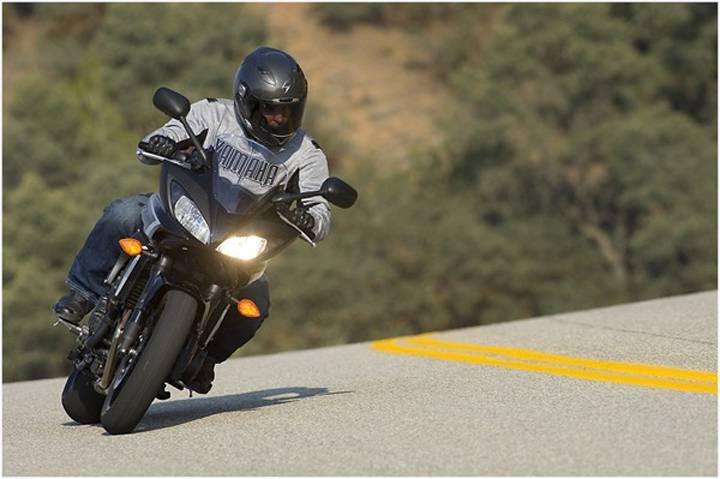
Yamaha has a vast super sport offering especially in the middleweight class and the 2009 FZ6 completes their lineup with bold half-faired style and YZF-like performance, but without the fatiguing riding position that always puts its fingerprint on a rider’s lower back and wrists. Following a natural evolution and enjoying immense popularity among those who require everything from a road bike, the Yamaha FZ6 is truly worth our attention.
2009 Yamaha FZ6


- Make: Array
- Model: 2009 Yamaha FZ6
- Engine/Motor: liquid-cooled inline 4-cylinder; DOHC, 16 valves
- Horsepower: 98 hp @ 12,000 rpm
- Torque: 63.1 Nm @ 10,000 rpm
- Transmission: 6-speed w/multi-plate clutch
- [do not use] Vehicle Model: Array
Introduction
Just how the Yamaha YZF-R6 takes a more docile approach in the form of the YZF-R6S, the FZ6 exploits the commuter side of the “S” model. But that’s just in theory as the engine is the only unit that the FZ6 shares with the R6S. The 600cc liquid-cooled inline four-cylinder; DOHC, 16 valves has proven a top performer on all models that it powered, the last being the FZ6R, a fully faired model which we’ve earlier previewed for you.
Still, in 2009, the Yamaha FZ6 stands out thanks to the same old recipe: a light, comfortable and versatile overall package powered by a more than decent number of horses that satisfies all rider’s needs as long as they plan to stay on road. Furthermore, the “Comfort seat”, previously found only in the accessory list, is now standard.
The engine is fuel injected and mated to a six-speed gearbox through a multi-plate clutch and that immediately qualifies it as a class leader. But, probably the best of it is the compact, light bodywork (459 lb wet weight) and front/rear 5.1 inches of travel offered by the 43mm telescopic fork and single shock. Also, with 17-inch alloy wheels and two 298mm floating discs up front and a 245mm rear one, you know that the bike’s DNA links it to the track although you will most likely never ride it there.
History
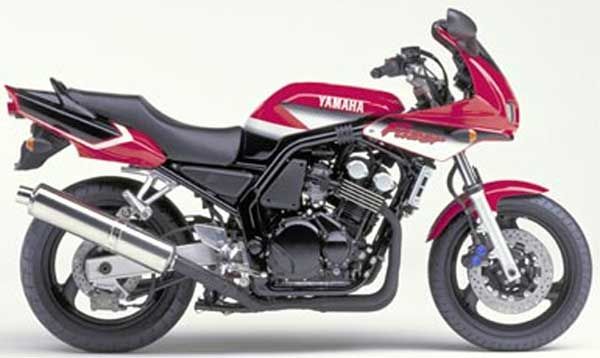 The FZ6 is a model initially created for the European market where it would have first been called the Fazer. The old continent first saw the Yamaha Fazer at the 1997 Paris Show and from the very first moment it established a unique balance between performance, light handling, comfort and fuel economy. The 600cc engine was developed from that of the YZF600R Thunder Cat super-sport model and the frame was a wide-type double cradle steel unit. It went into production in 1998 and a year later it became the top selling model in its class.
2002 was to bring the first major upgrade. With a new cowl, new headlight, a 22 litre tank and stainless steel exhaust, the Fazer looked sleeker and more able to deal with the competition which by that time was coming strong from behind. The 2002 model year would have transmitted the power smoother and it also featured new instrumentation, but overall it was just a preview of what was about to later come.
In 2004, the Yamaha FZ6 (still Fazer in Europe) as we know it was born. Built around the 2003 YZF R6 engine which was retuned for more usable midrange power, the new bike was perfect both for winding roads and city riding and it developed 98 hp at 12,000 rpm and 63.1 Nm at 10,000 rpm. The fuel injection system with 36 mm throttle bodies was the biggest upgrade while the rest simply came natural for Yamaha and the 2004 FZ6 is very close even to the 2009 model year.
The bike was revised in 2006. The optimized fuel injection system increased the engine’s low-en torque and a metal honeycomb type catalytic converter was added. Enhancing the aggressive look were the black painted engine, frame, subframe, grabhandle, rear swingarm and wheels.
Yamaha also updated the bike for 2007. It now had a 3-way catalytic converter, new swingarm, new passenger pegs and new four-piston monoblock brake calipers front brakes. New FZ1-like instrument cluster now featured analog tachometer and digital speedometer. The seat was redesigned as well as the fairing and windscreen.
The 2008 model year features black front cowling around the headlights no matter color while 2009 adds a plus of comfort with the aftermarket seat becoming standard.
Competition
Suzuki quit making half-faired SV650 models so you will have to choose between their bare naked SV650 and their fully-faired SV650SF. But if you are into sport bike looks, it is also more than worth to take in consideration their 2009 GSX650F. Unlike the SV models, this one is powered by a 656 cc liquid-cooled inline four-stroke, DOHC engine that is as well fuel injected so definitely comparable FZ6’s engine. Still, Yamaha’s FZ6R is a much better competitor for the Suzuki GSX650F, but we work with what we have.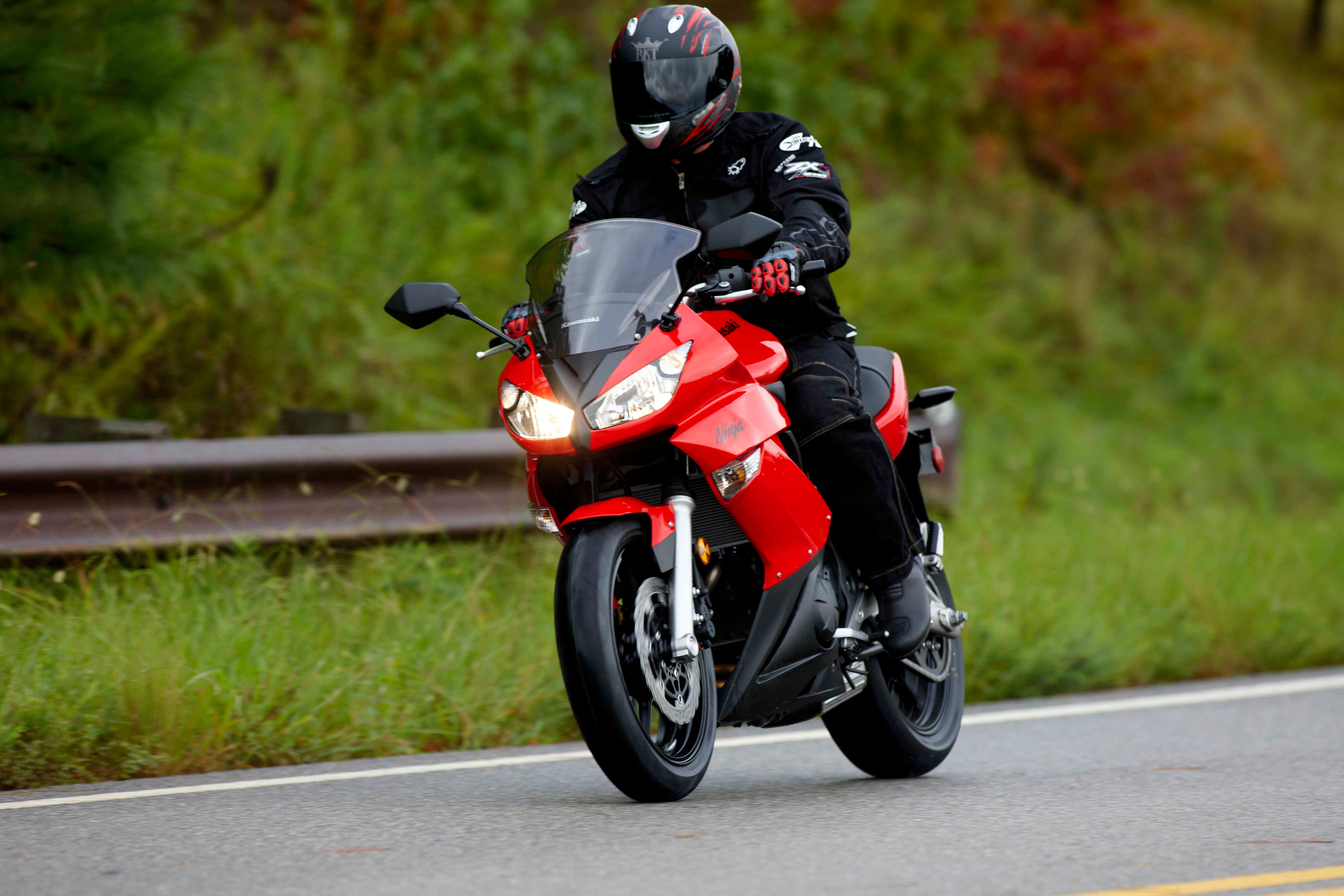 Kawasaki also goes for a full fairing so their 2009 Ninja 650R is an aggressive looking motorcycle, but not as threatening for the FZ6 as the GSX650F is. The engine is simply a fuel-injected 649cc liquid-cooled parallel-twin; DOHC, four-valve per cylinder which manages with Kawi’s 440.9 lbs curb weight, but not with this class leader.
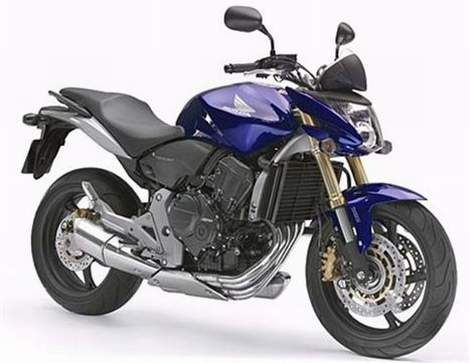 A naked alternative is the 2009 Honda CB600F Hornet. This one is fitted with a competitive 599cc inline-four engine featuring a PGM-FI electronic fuel injection and developing 100.57 hp at 12,000 rpm.
It is well worth mentioning that all of the models I previously mentioned appeared after the 1997 presentation of the Fazer in Paris. Many conclusions can result from there.
------
Exterior
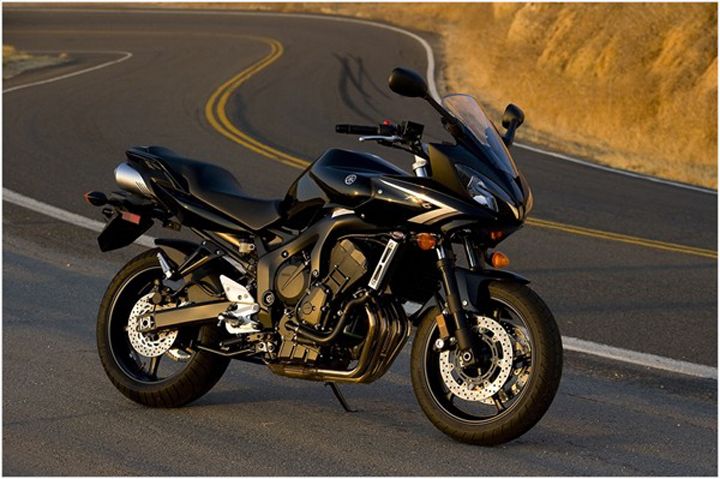 Despite introducing the fully-faired 2009 FZ6R, Yamaha carries on the production of the half-faired FZ6 as the market surely hasn’t had enough of it. No wonder as the versatile 600cc bike features an aggressive bodywork even though designers didn’t had much to work with given the bike’s nature.
With FZ1-like headlights, fairing and windscreen, this bike not only walks on the footsteps of its bigger siblings when it comes to performance, but stylistically too. The 5.1 gallons tank features that aggressive hump too as there isn’t much need for the rider to squat under the windscreen because of the upright riding position and the windscreen positioning angle.
Ever since 2004, the bike features the four-into-two under seat exhaust which enhances the sporty look. And so do the black painted 17-inch five-spoke wheels and all other mechanical and chassis units.
Riders buying the 2009 Yamaha FZ6 will benefit of a new Comfort seat which was previously available only in the accessory list. Also, the 2009 colors are Deep Blue and Raven.
Test Ride
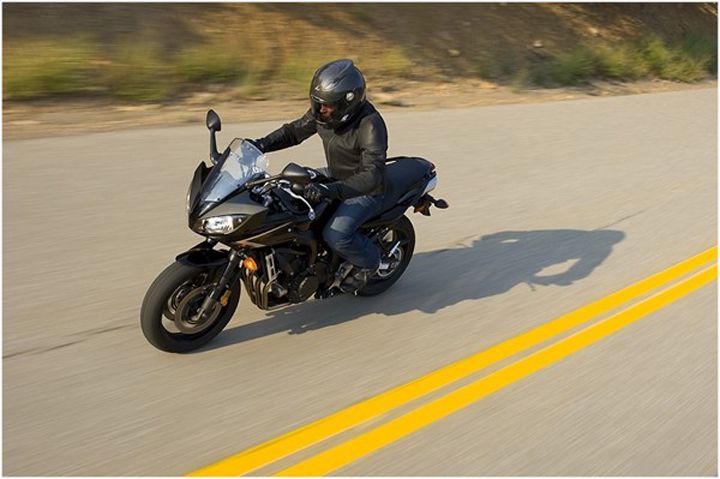 Onboard the Yamaha FZ6 you get a great view of the road and traffic ahead you thanks to the great ergonomics which allow for an upright riding position. The seat is spacious for a sport bike and very comfortable while the handlebars are brought close to the rider for less back stress. But despite of the standard bike-like accommodations, wind protection is very good at all riding speeds mostly due to the windscreen which directs the air flow well above the average sized rider’s head. Also, the fairly wide fairing is designed to send the air just over your shoulders as you get lower and lower concomitant with increasing speed. The knees will experience a little bit of harsh wind as there is no lower body fairing, but nothing spectacular.
Even though the bike looks tall in the pictures, it has a 31.3 inches high seat so it will put no problems when it comes to flat footing the ground to any average sized rider again.
The engine performs as well as it looks. There is plenty of low-end torque and first gear isn’t short at all so you’ll be always the first to take off from traffic lights. Smooth accelerating and consequent in delivering impressive midrange power in all gears, the fuel injected previous generation R6 engine only requires a powerful twist of the throttle in order to get that front wheel airborn.
Precise and easy to work with, the six-speed gearbox will have newbies get accustomed with it very fast although at first the second gear seems the most appropriate especially during city riding. That is possible thanks to a wide rpm range. Note that the four-cylinder engine meets its sweet spot at 12,000 where all 98 horses are put down so playing with the throttle is THE way to learn how to ride these things. 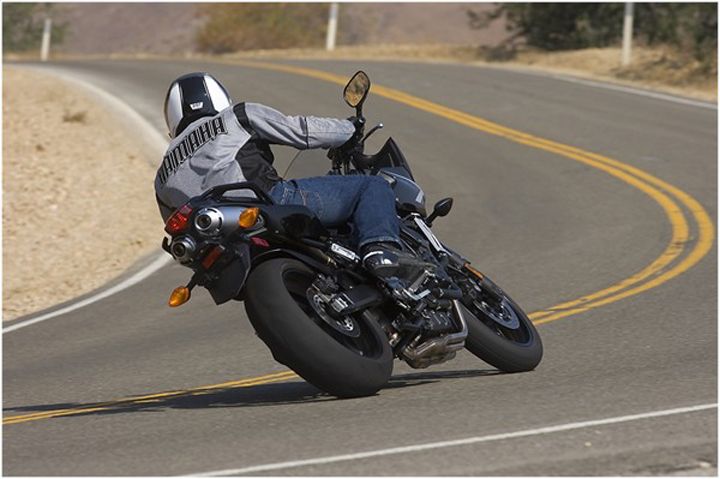 Handling the FZ6 feels light and reassuring. The bike plants itself well in tight corners and although you won’t be scrapping the pavement, you’ll manage to scare the passenger each and every time you lean close to the limits. Also, due to the riding position, the FZ6 practically invites you to move on the seat very much as you turn left and right and so on during winding roads where you’ll also be playing with the throttle very much. So reaching speeds of up to 50 mph in these conditions justifies the passenger’s terrified face from when the ride is over.
The suspension (nonadjustable 43 mm fork and preload adjustable rear monoshock) though is undersprung and on bumpier roads can feel overwhelmed. The fact that Yamaha designed this bike strictly for street riding doesn’t justify that as even at speed bumps you get that effect. Still, the bike is stable and handles spotless at speeds in excess of 120 mph.
Thank goodness this thing can break. With a pair of 298 mm front rotors on which four-piston calipers are acting and a 245 mm rear one with a single-piston caliper, the Yamaha FZ6 benefits of confidence inspiring braking power. That’s good to hear considering the powerful engine which practically begs to be revved even when the conditions aren’t the most appropriate.
Riding the FZ6 is always an enjoyable experience mostly because the bike can keep the pace with sportier models or even it’s bigger sibling, the FZ1.
Price
Regardless of color, the 2009 model year comes with a base MSRP of $7,290. This alone isn’t an argument to buy this model without mentioning the infinite other good reasons, but it sure helps when presenting a brochure to your wife (just make sure you mention it now has a more comfortable seat even for the passenger).
Conclusion
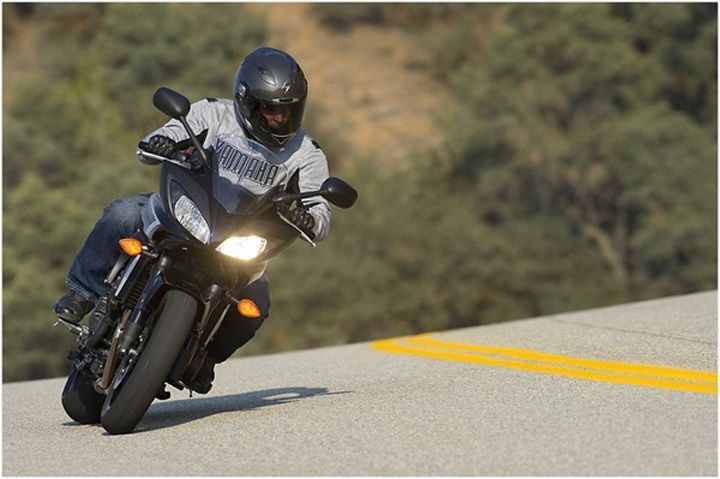 Although not seriously revised, the latest Yamaha FZ6 is definitely to be taken in consideration even if you are an experienced rider or a beginner in search of a powerful, easy to handle and very comfortable motorcycle. This bike is all that and adds a plus of fun in the weekends when taking it on your favorite winding roads.
------
SPECIFICATIONS
Engine and Transmission

Displacement: 600cc
Type: liquid-cooled inline 4-cylinder; DOHC, 16 valves
Bore x Stroke: 65.5 x 44.5mm
Compression Ratio: 12.2:1
Fuel Delivery: Fuel injection
Ignition: TCI
Transmission: 6-speed w/multi-plate clutch
Final Drive: O-ring chain
Chassis and Dimensions

Suspension/Front: 43mm telescopic fork, 5.1-in travel
Suspension/Rear: Single shock; adjustable preload, 5.1-in travel
Brakes/Front: Dual 298mm floating disc; 4-piston calipers
Brakes/Rear: 245mm disc; single-piston caliper
Tires/Front: 120/70-ZR17
Tires/Rear: 180/55-ZR17
Length: 82.5 in
Width: 29.5 in
Height: 47.6 in
Seat Height: 31.3 in
Wheelbase: 56.7 in
Rake (Caster Angle): 25.0°
Trail: 3.8 in
Fuel Capacity: 5.1 gal
Fuel Economy: 40 mpg
Wet Weight: 459 lb
Features
Key Features:
Engine:
Chassis/Suspension:
Additional Features:
